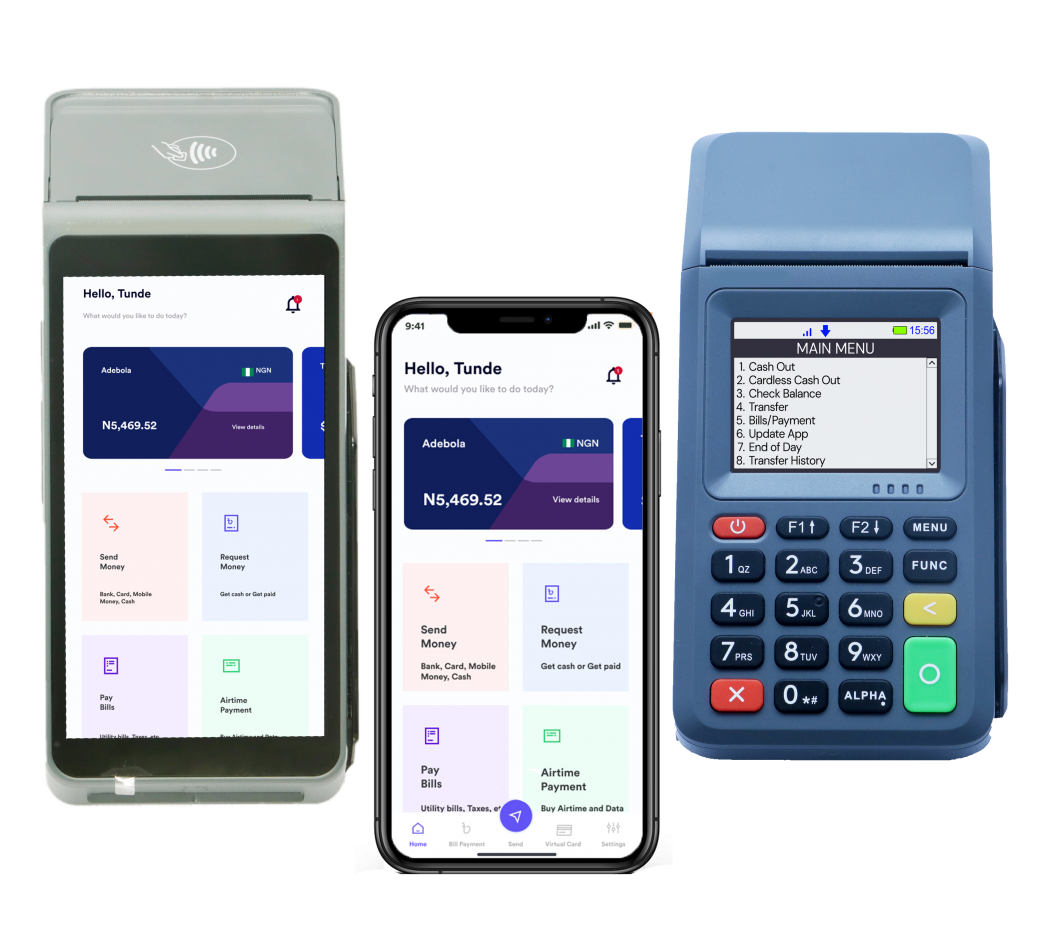


Merchant White label Solution

Merchant White label Solution

MFB v Agency Banking

Exploring the Role of Technology in Agency Banking: Revolutionizing Financial Services

In today’s digital era, technology has transformed various industries, and the financial sector is no exception. One area where technology has made significant strides is in agency banking, revolutionizing the way financial services are delivered. In this blog post, we will delve into the crucial role of technology in agency banking, its impact on financial inclusion, and the advantages it brings to both financial institutions and customers.

Improved Access to Financial Services

Technology has paved the way for greater accessibility to financial services, particularly in underserved areas. Through the use of mobile devices, point-of-sale (POS) terminals, and online platforms, agency banking can reach customers in remote locations who previously had limited or no access to banking services. However, this digital infrastructure empowers agents to provide services such as account opening, fund transfers, and cash withdrawals, bridging the gap between unbanked individuals and financial inclusion.

Enhanced Efficiency and Convenience

Subsequently, with technology at the forefront, agency banking has significantly improved operational efficiency for both financial institutions and customers. Automated systems streamline processes, reducing paperwork and manual errors. Similarly, Real-time transaction recording and reporting enable faster and more accurate financial management. Moreover, customers can conduct banking transactions anytime, anywhere, with the convenience of mobile banking apps, USSD codes, or online platforms. The integration of technology optimizes the efficiency and convenience of agency banking, benefitting all stakeholders involved.

Strengthened Security Measures

On the other hand, One of the primary concerns in the financial industry is security. Technology plays a vital role in addressing this concern by incorporating robust security measures into agency banking systems. Encryption techniques, biometric authentication, and secure communication channels protect sensitive customer information and ensure secure financial transactions. The integration of technology-driven security measures instills trust and confidence among customers, fostering the growth of agency banking.

Data Analytics and Customer Insights

Furthermore, Technology enables financial institutions to gather and analyze vast amounts of data generated through agency banking operations. By leveraging data analytics tools, banks can gain valuable customer insights, including transaction patterns, preferences, and behavior. These insights inform decision-making processes, enabling financial institutions to tailor their products and services to better meet customer needs. This data-driven approach helps optimize customer experience, increase customer retention, and drive business growth in the agency banking sector.

Financial Literacy and Education

Lastly, technology plays a vital role in promoting financial literacy and education among agency banking customers. Interactive online platforms, mobile apps, and educational resources can be deployed to provide customers with information on financial management, savings, and investment opportunities. These digital resources empower customers to make informed financial decisions and improve their financial well-being. By combining technology with financial education, agency banking fosters financial literacy and contributes to the overall economic empowerment of individuals and communities.

Conclusion

Summarily, the role of technology in agency banking is transformative, revolutionizing the way financial services are delivered and accessed. By leveraging technology, agency banking enhances accessibility, efficiency, security, data analytics, and financial education. As technology continues to advance, the agency banking sector will witness further innovation, propelling financial inclusion and empowering individuals worldwide. Embracing the possibilities offered by technology ensures a brighter future for agency banking, as it continues to make a significant impact on the global financial landscape.

Inspiring Agency Banking Success Stories

Agency Banking Success Stories

Firstly, In an era where financial inclusion has become a global priority, agency banking has emerged as a powerful solution to bridge the gap between the unbanked and formal financial services. This article delves into real-life agency banking success stories from different regions. It highlights how this transformative model has empowered individuals, enabled entrepreneurship, and uplifted entire communities. Thus, let’s explore these compelling narratives that illustrate how agency banking is empowering communities.

Empowering Rural Communities: The Tale of ABC Bank in Sub-Saharan Africa

  1. In the heart of Sub-Saharan Africa, ABC Bank embarked on a mission to bring banking services to remote rural communities. Through strategic partnerships with local entrepreneurs, they established a network of agency banking outlets. The outlets provide a range of services including deposits, withdrawals, transfers, and micro-loans. Furthermore, by leveraging technology and training agents, ABC Bank successfully transformed the lives of thousands, enabling financial access and igniting economic growth in regions previously underserved by traditional banks.

Enabling Women Entrepreneurs: The Success of XYZ Agency Bank in Empowering Communities

  1. However, XYZ Agency Bank’s vision was to empower women entrepreneurs who were previously excluded from formal financial systems in Southeast Asia. By providing tailored financial products and services through their agency banking network, they unlocked opportunities for women. Meanwhile, they also gave them opportunities to expand their businesses. From providing micro-loans for small enterprises to offering financial literacy programs. XYZ Agency Bank played a pivotal role in fostering economic independence and empowering the community.

Financial Inclusion in Conflict Zones: The Story of PQR Bank in the Middle East

  1. On the other hand, PQR Bank faced the unique challenge of operating in conflict-affected areas in the Middle East, where access to basic financial services was limited. However, the establishment of agency banking outlets in partnership with local community leaders, brought banking services to these volatile regions. Their efforts not only provided secure avenues for savings and transactions but also created stability, and rebuilt trust in war-torn communities.

Digital Innovation: How DEF Bank Transformed the Landscape in Latin America

  1. Furthermore, In Latin America, DEF Bank revolutionized the agency banking model by leveraging digital innovation. By combining mobile banking technology with a vast network of agents, DEF Bank connected remote communities to financial services. And also in areas with limited infrastructure. Therefore, the seamless digital experience offered convenience, speed, and security. These encourage widespread adoption and ultimately improve financial literacy across the region.

Conclusion:

Finally, these agency banking success stories demonstrate the profound impact of this transformative model in empowering communities globally. Likewise, through strategic partnerships, technological advancements, and a deep commitment to empowering individuals, it has become a catalyst for change. This inspiring narrative shows us that agency banking has the power to transform lives and unlock economic potential. And most importantly, create a more inclusive and prosperous future for communities around the world.

The Role of Agency Banking in Driving Economic Growth

Empowering Communities

In recent years, agency banking has emerged as a powerful tool in driving economic growth, particularly in underserved regions and developing economies. By leveraging the reach of local agents and innovative technology, agency banking is transforming the financial landscape and creating opportunities for individuals and businesses alike. In this blog post, we will explore the key ways in which agency banking plays a pivotal role in driving economic growth.

Enhancing Financial Inclusion:

  1. Firstly, one of the primary reasons agency banking contributes to economic growth is by promoting financial inclusion. Through a network of local agents, agency banking brings financial services closer to individuals in remote areas. Those who previously had limited access to formal banking. This enables them to save, make transactions, and access credit facilities, empowering them to participate more actively in economic activities.

Boosting Small and Medium-sized Enterprises (SMEs):

  1. Moreover, agency banking acts as a catalyst for SME growth. By providing affordable and accessible financial services, such as digital payments and working capital loans, agency banking enables SMEs to streamline their operations. In addition to expand their customer base, and invest in their businesses. This leads to increased productivity, job creation, and overall economic development.

Facilitating Digital Transformation:

  1. Similarly, In the era of digitalization agency banking plays a pivotal role in facilitating the transition to digital financial services. By leveraging mobile technology and innovative payment platforms, agency banking enables individuals and businesses to conduct transactions efficiently, securely, and conveniently. This digital transformation drives efficiency gains, reduces transaction costs, and promotes financial innovation, all of which contribute to economic growth.

Empowering Entrepreneurship:

  1. Furthermore, agency banking provides an avenue for entrepreneurship and income generation. It empowers local agents, who act as banking service providers, to establish their businesses. In addition, also offer financial services to their communities. By becoming agents, individuals can earn additional income, create employment opportunities, and contribute to the local economy.

Stimulating Investment and Economic Activity:

  1. In addition to the points above, through agency banking, financial institutions are better positioned to identify creditworthy individuals. By leveraging transactional data and customer behavior insights, banks can make informed lending decisions. They can also provide targeted credit facilities to entrepreneurs and investors. This access to finance stimulates investment, promotes business expansion, and fuels economic activity.

Conclusion:

In summary, the role of agency banking in driving economic growth cannot be overstated. By expanding financial inclusion, empowering SMEs, and facilitating digital transformation. It will also foster entrepreneurship, and stimulate investment, agency banking paves the way for sustainable economic development. Furthermore, as this transformative model continues to gain momentum, we can expect it to contribute significantly to inclusive growth, poverty reduction, and overall prosperity in communities around the world.

Mobile Technology

Prospects of Agency Banking in Nigeria: Exploring the Future Trends

Banking services in Nigeria and all over the world keep evolving. In this article, we will delve into the potential of agency banking to transform the country’s financial landscape, promote inclusivity, and bridge the gap between the banked and the unbanked populations.

Firstly, let us explore the benefits, challenges, and growth opportunities associated with agency banking.

Understanding Agency Banking

Agency banking refers to the provision of basic banking services through authorized agents, typically non-bank entities, on behalf of financial institutions. These agents act as intermediaries, facilitating various financial transactions such as deposits, withdrawals, fund transfers, bill payments, and account openings.

By leveraging existing retail networks, agency banking brings banking services closer to underserved communities, fostering financial inclusion.

The Benefits of Agency Banking in Nigeria:

Increased Financial Inclusion

With over 40% of Nigerians lacking access to formal financial services, agency banking offers a lifeline to the unbanked population. It enables individuals in remote areas to conduct basic financial transactions conveniently, reducing their reliance on cash-based transactions.

Expansion of Banking Reach

Traditional brick-and-mortar branches face limitations in reaching rural areas. Agency banking bridges this gap by leveraging the extensive agent network, extending banking services to previously underserved regions

Cost-Effective Operations

Compared to establishing and maintaining physical branches, agency banking provides a cost-effective solution for financial institutions. Agents operate within existing establishments, reducing infrastructure costs and allowing banks to optimize their resources.

Overcoming Challenges;

Agent Training and Compliance

Agents must undergo comprehensive training to ensure they possess the necessary skills and knowledge to carry out banking transactions securely. Regular audits and compliance checks should be in place to maintain the integrity of the system.

Technological Infrastructure

Robust and reliable technological infrastructure, such as connectivity and power supply, is essential for seamless agency banking operations. Investment in infrastructure development is crucial to ensure uninterrupted services.

Growth Opportunities;

Leveraging Mobile Technology

Furthermore, the widespread adoption of mobile phones in Nigeria presents a significant opportunity for agency banking. By harnessing mobile technology, similarly, financial institutions can offer services such as mobile banking, mobile wallets, and mobile money transfers, further expanding their reach.

Collaboration with Fintech Startups

Moreover, collaboration between traditional financial institutions and fintech startups can accelerate the growth of agency banking. However, Fintech companies bring innovative solutions, advanced technologies, and customer-centric approaches, enhancing the overall agency banking experience.

Conclusion

Conclusively, the future of agency banking in Nigeria holds immense potential to drive financial inclusion, expand banking services, and foster economic growth. As the country continues to embrace digital transformation, agency banking, when supported by robust infrastructure, effective agent training, and strategic collaborations, can empower millions of Nigerians with access to formal financial services.

Embrace the evolution of agency banking and be a part of Nigeria’s inclusive financial revolution.

Starting a profitable POS business

Why Rural Areas Can Be the Perfect Location for a Profitable POS Business

Starting a profitable POS business in a rural area can be an excellent opportunity for entrepreneurs looking to tap into an underserved market. Despite the common perception that businesses should be located in urban areas, there are several reasons why starting a POS business in a rural area can be a lucrative endeavor.

Firstly, there is often less competition in rural areas, which means that there is a higher likelihood of being able to establish a successful business. With fewer options for consumers to choose from, it becomes easier to build a loyal customer base that values your products and services.

Additionally, rural areas often have unique needs that are not being met by larger retailers or chain stores. By offering specialized services and products that cater to the specific needs of the community, your POS business can quickly become the go-to choice for local residents.

Another benefit of starting a POS business in a rural area is the lower cost of living and operating expenses. Rent and labor costs are generally lower in rural areas, making it easier to achieve profitability in a shorter amount of time. Moreover, these lower costs can help you to keep prices competitive and attract more customers.

Finally, the rise of e-commerce and online shopping has made it easier for small businesses to reach a wider audience, even in remote locations. By offering an online store or delivery service, you can expand your reach beyond the local community and tap into a larger market.

In conclusion, starting a POS business in a rural area can be a highly profitable venture for those willing to put in the effort. By focusing on the specific needs of the community, offering specialized services, and taking advantage of the lower operating costs, entrepreneurs can establish a successful business that serves the needs of both rural residents and beyond.

Starting a profitable POS business

Agency Banking and Financial Inclusion: Addressing Challenges for Success

Agency banking and financial inclusion are two critical elements in modern financial services. Agency banking is a business model that allows financial institutions to offer their services through agents who are authorized to perform specific transactions on behalf of the bank. Financial inclusion, on the other hand, refers to the process of providing access to affordable financial services to people who were previously excluded from the formal financial system. In this article, we will explore the challenges and opportunities.

Challenges:

  1. Lack of Awareness: Many people in underbanked communities are unaware of the benefits of agency banking and financial inclusion. This lack of knowledge makes it difficult for financial institutions to reach potential customers and promote their services effectively.
  2. Infrastructure: Developing and maintaining the infrastructure required for agency banking and financial inclusion can be challenging and expensive. Financial institutions need to invest in technology, communication systems, and training for agents to ensure that their services are accessible and secure.
  3. Regulation: Regulations around agency banking and financial inclusion can be complex and vary from country to country. Financial institutions need to navigate these regulations carefully to ensure that they are in compliance and can offer their services effectively.
  4. Security: Security is a major concern for financial institutions offering agency banking and financial inclusion services. They need to ensure that their systems and data are secure to protect their customers and maintain their reputation.

Opportunities:

  1. Increased Access to Financial Services: Agency banking and financial inclusion provide people with access to financial services that were previously unavailable to them. This increased access can help to promote financial literacy, boost economic growth, and reduce poverty.
  2. New Revenue Streams: Financial institutions can generate new revenue streams through agency banking and financial inclusion services. By reaching new customers, they can expand their customer base and increase their profits.
  3. Improved Customer Service: Agency banking and financial inclusion can improve customer service by making financial services more accessible and convenient. Customers can access their accounts and perform transactions through agents, reducing the need to travel long distances to visit a bank branch.
  4. Boost to Economic Development: By promoting financial inclusion and agency banking, financial institutions can play a significant role in boosting economic development in underbanked communities. This can help to create new jobs, stimulate economic growth, and improve living standards.

In conclusion, agency banking and financial inclusion offer significant opportunities to promote financial services and financial literacy. However, they also pose several challenges that must be addressed. Financial institutions need to carefully consider these challenges and opportunities when developing and implementing their agency banking and financial inclusion strategies. By doing so, they can help to promote financial inclusion and support economic development, while also generating new revenue streams and improving customer service.

Agency Banking Solution

Agency Banking Solutions: From Cash Management to Microfinance Services

The Banking Solutions

Agency banking is a distribution model for financial services that enable banks to provide services to customers through agents or third-party providers. It is a cost-effective and convenient way to expand access to financial services, particularly in rural and underbanked areas. In this article, we will explore the different types of agency banking solutions available, from cash management to microfinance services.

  • Cash Management Services: Cash management services are an essential part of agency banking solutions. They allow banks to collect cash from customers and deposit it into their accounts without having to set up a physical branch. This makes it easier for customers to manage their money and keep track of their transactions. Banks can also use the solutions to disburse cash to customers, including payroll and pension payments.
  • Microfinance Services: Microfinance services are a type of financial service that provides small loans to individuals or groups who are unable to access traditional banking services. The solutions can help banks reach more customers by providing microfinance services through agents. This allows banks to offer credit services to underserved communities and helps to promote financial inclusion.
  • Bill Payment Services: Agency banking solutions also provide bill payment services, allowing customers to pay their bills through agents. This is a convenient and time-saving service for customers who do not have access to traditional banking services. By using agency banking solutions, banks can reach more customers and offer a wider range of services.
  • Financial Inclusion: Agency banking solutions play an important role in promoting financial inclusion by providing access to financial services to underserved communities. This includes individuals who are unbanked or underbanked, and those living in rural areas. Agency banking solutions help to bridge the gap between the formal financial sector and the unbanked population, making it easier for people to access financial services and manage their money.

Conclusion

The solutions provide a wide range of services, from cash management to microfinance services, and play an important role in promoting financial inclusion. By using the solutions, banks can reach more customers and provide access to a wider range of services, helping to improve the financial well-being of individuals and communities.

Mobile Money Agents

The Challenges of Agency Banking: Tips for Improved Customer Experience

Tips for Improved Customer Experience

Agency banking refers to a banking model that enables financial institutions to offer their services through third-party agents. The agents serve as an extension of the bank and offer a range of services such as deposits, withdrawals, and loan disbursements. Agency banking has become popular in many countries as it provides financial services to underbanked communities, reduces operational costs for banks, and improves access to financial services for customers. However, there are some potential challenges that customers face when using agency banking, and these challenges must be addressed to ensure the success of the model.

Challenges of Agency Banking

  1. Limited Services: One of the main challenges that customers face when using agency banking is the limited services offered. Customers may not be able to access all the services they need, such as complex transactions or loan applications, through agency banking. This can be a barrier to accessing financial services for some customers.
  2. Security Concerns: Security is always a concern for customers when it comes to their financial transactions. Agency banking can pose security risks for customers, as agents may not have the necessary security measures in place to protect customer data. Additionally, there is a risk of fraud, as agents may be susceptible to bribery or other forms of corruption.
  3. Lack of Trust: Some customers may not trust agency banking due to the lack of control they have over their financial transactions. They may also be concerned about the reliability of the agents, as well as the quality of the services they receive.
  4. Technical Challenges: Agency banking relies on technology to function, and customers may face technical challenges when using the system. For example, customers may have trouble accessing the service due to network connectivity issues or may not be familiar with how to use the technology.

To overcome these challenges, financial institutions need to ensure that their agency banking model is designed with the customer in mind. They should provide training to agents to ensure that they are equipped to handle customer transactions and provide high-quality services. Additionally, financial institutions should invest in technology that can support the agency banking model, such as mobile banking platforms, to ensure that customers have access to financial services regardless of their location.

Financial institutions should also work to build trust with customers by establishing clear policies and procedures for customer transactions and data protection. They should also be transparent about the services offered through agency banking and educate customers on the benefits of using the system.

Conclusion

Agency banking has the potential to improve access to financial services for underbanked communities and reduce operational costs for financial institutions. However, it is important to address the potential challenges faced by customers to ensure the success of the model. Financial institutions should focus on building trust with customers, providing quality services, and investing in technology to overcome these challenges and achieve the desired outcomes of agency banking.

A solution for startups

A Solution for Startups to Build Their Agency Banking Platform

A solution for startups

A solution for startups: Building a successful agency banking platform can be a complex and time-consuming process for startups. From creating a secure payment infrastructure to onboarding agents and merchants, there are numerous challenges that must be overcome. However, with the help of ErrandPay, startups can overcome these challenges and focus on growing their business while they build their agency banking platform.

ErrandPay is a leading provider of technology and financial services that help startups build and scale their agency banking platforms. The platform provides a wide range of tools and services, including payment processing, merchant onboarding, and agent management. With these tools and services, startups can focus on onboarding merchants and agents while ErrandPay takes care of the technical details of building the platform.

One of the biggest benefits of working with ErrandPay is that it offers a secure and reliable payment infrastructure. With ErrandPay, startups can be confident that their customers’ transactions will be processed quickly and securely, helping to build trust and increase engagement.

In addition, ErrandPay provides startups with a powerful agent management system. With this system, startups can manage their agents more effectively, ensuring that they are able to provide excellent customer service and grow their business.

Our Easy-To-Use Platform

Another benefit of working with ErrandPay is that it helps startups to onboard merchants and agents quickly and efficiently. With its easy-to-use platform, startups can onboard new merchants and agents quickly and easily, helping them to expand their business and reach more customers.

ErrandPay also provides startups with a range of marketing and promotion tools to help them reach and engage with their target audience. With these tools, startups can increase their visibility, build their brand, and drive sales.

Finally, ErrandPay is SEO compliant, ensuring that startups’ agency banking platforms will be optimized for search engines. With SEO in mind, startups can be confident that their platform will be easily discoverable by potential customers and partners, helping them to grow their businesses and reach their goals.

In conclusion, ErrandPay is the ideal solution for startups looking to build their agency banking platforms while they focus on onboarding merchants and agents. With its powerful platform, secure payment infrastructure, and range of tools and services, ErrandPay makes it easy for startups to build and scale their agency banking platforms, helping them to achieve their goals and drive economic growth in Nigeria.

Agency Banking Boosts Nigerian Economy and Financial Inclusion

Agency Banking Boosts Nigerian Economy and Financial Inclusion

Driving Economic Growth & Improving Financial Access in Nigeria

Agency banking has been a game changer for financial inclusion and economic growth in Nigeria. This innovative model of banking provides access to financial services to remote and underserved communities that were previously excluded from the formal financial system. The growth of agency banking in Nigeria has not only increased access to financial services for individuals but has also boosted the country’s economy.

Expanding Financial Access: By leveraging the infrastructure of established agency banking networks, individuals in remote areas now have access to banking services without having to travel long distances. This has helped bridge the gap in financial inclusion and increase access to financial services for the unbanked population, leading to an increase in the number of individuals with access to financial services.

Boosting Economic Growth: Agency banking has been instrumental in boosting the growth of small and medium-sized enterprises (SMEs) and entrepreneurs. With access to credit and other financial services, these businesses can grow and drive economic development. This in turn creates jobs and contributes to the overall growth of the economy.

Cost Savings for Microfinance Banks: By partnering with established agency banking networks, Microfinance Banks (MFBs) can reduce their operational costs and increase profitability. This allows MFBs to grow their business and reach more customers, which is beneficial for both the banks and the customers.

Increased Revenue: The growth of agency banking has also led to increased revenue for MFBs. By offering more services and reaching more customers, MFBs can increase their revenue and grow their business, leading to a boost in the overall economy.

Improved Customer Experience: Agency banking also provides a better customer experience for MFBs. By leveraging the resources of their agency banking partners, MFBs can offer more accessible and convenient banking services to their customers, building brand loyalty and enhancing the overall customer experience.

In conclusion, agency banking has been instrumental in driving economic growth and improving access to financial services in Nigeria. By providing access to financial services for individuals and businesses, agency banking has played a crucial role in boosting the country’s economy. The growth of agency banking has also led to cost savings for MFBs, increased revenue, and improved customer experience, making it a win-win for all involved.

×

Hello!

Click one of our contacts below to chat on WhatsApp

×