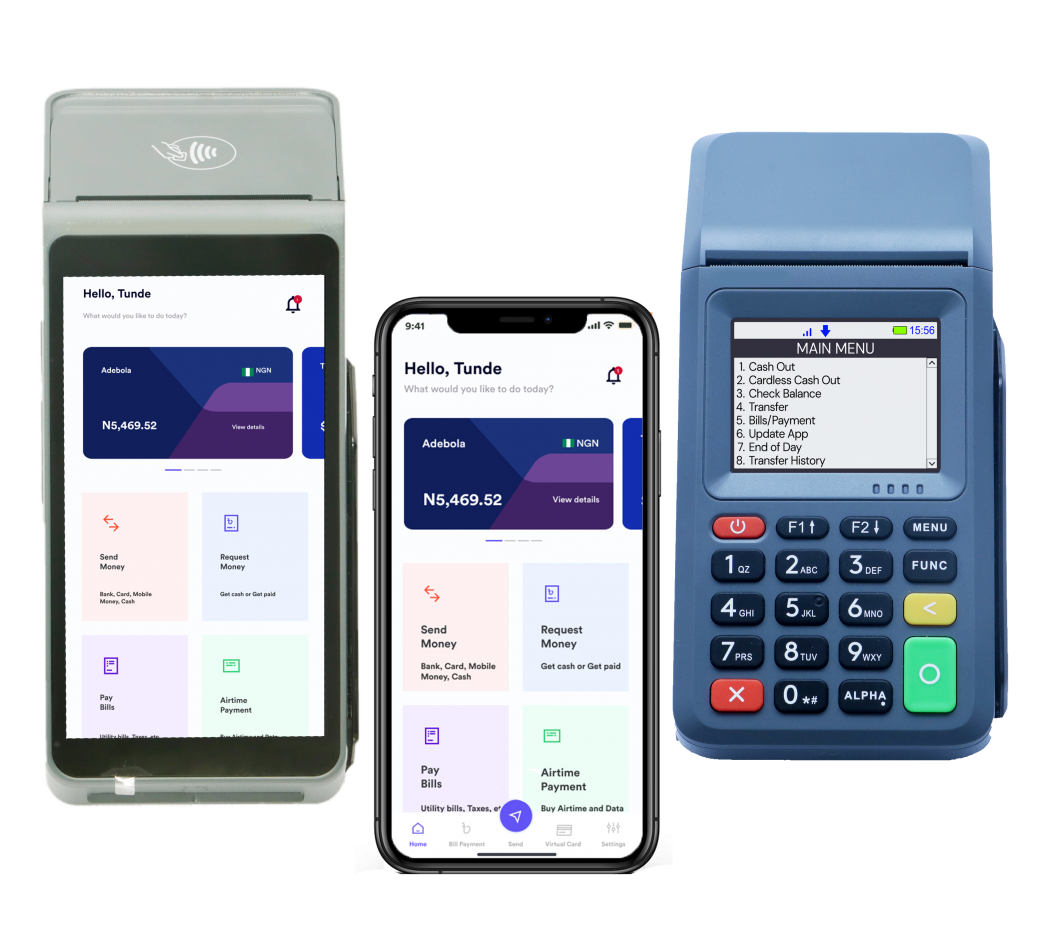


Merchant White label Solution

Merchant White label Solution

Exploring the Lucrative Opportunities of Agency Banking in Nigeria

In a dynamic economy like Nigeria, innovation in the financial sector is crucial to reaching every corner of the population. This is where agency banking steps in, offering a multitude of opportunities that extend far beyond traditional banking. In this comprehensive guide, we delve into the extensive opportunities of agency banking in Nigeria and how it’s revolutionizing financial services.

The Expansive Landscape of Agency Banking:

Agency banking presents an array of exciting opportunities for both financial institutions and individuals looking to engage in this transformative model. Let’s explore these opportunities in depth:

1. Reaching the Unbanked: Nigeria’s population boasts a significant unbanked and underbanked demographic. Agency banking provides a golden chance to bridge this gap, allowing remote and underserved communities access to basic financial services.

2. Profitable Business Ventures: For entrepreneurs, agency banking offers a lucrative business opportunity. Therefore, setting up as an agent for financial institutions can yield a steady income through commission-based transactions.

3. Digital Financial Inclusion: As the world rapidly digitizes, agency banking brings digital financial services to areas with limited internet connectivity and access. Therefore, this inclusion revolutionizes how Nigerians manage their finances.

4. Expanded Service Offerings: Additionally, with agency banking, financial institutions can extend their service offerings without the high cost of setting up traditional bank branches. This includes cash deposits, withdrawals, funds transfers, bill payments, and more.

5. Enhanced Customer Engagement: However, agencies often serve as the primary point of contact for customers. Hence, this provides an excellent opportunity to enhance customer relationships and offer personalized financial advice.

6. Technological Advancements: Agency banking leverages technology, allowing for real-time transactions and seamless integration with mobile banking apps. Meanwhile, this technological edge adds value to both customers and financial institutions.

7. Driving Economic Growth: By providing financial services in previously underserved areas, agency banking contributes to economic growth and empowers individuals to save, invest, and engage in economic activities.

8. Strengthening Financial Institutions: Importantly, agency banking increases the customer base and extends the institution’s reach, leading to increased market share and profitability.

Conclusion

Conclusively, the opportunities of agency banking in Nigeria are undeniably vast and transformative. From empowering the unbanked to fostering economic growth, this model has the potential to revolutionize financial services across the nation. Entrepreneurs can tap into a profitable venture, while financial institutions can extend their services and engage with a broader customer base. Finally, as Nigeria’s financial landscape evolves, agency banking stands as a beacon of innovation and inclusivity, creating a brighter and more financially secure future for all.
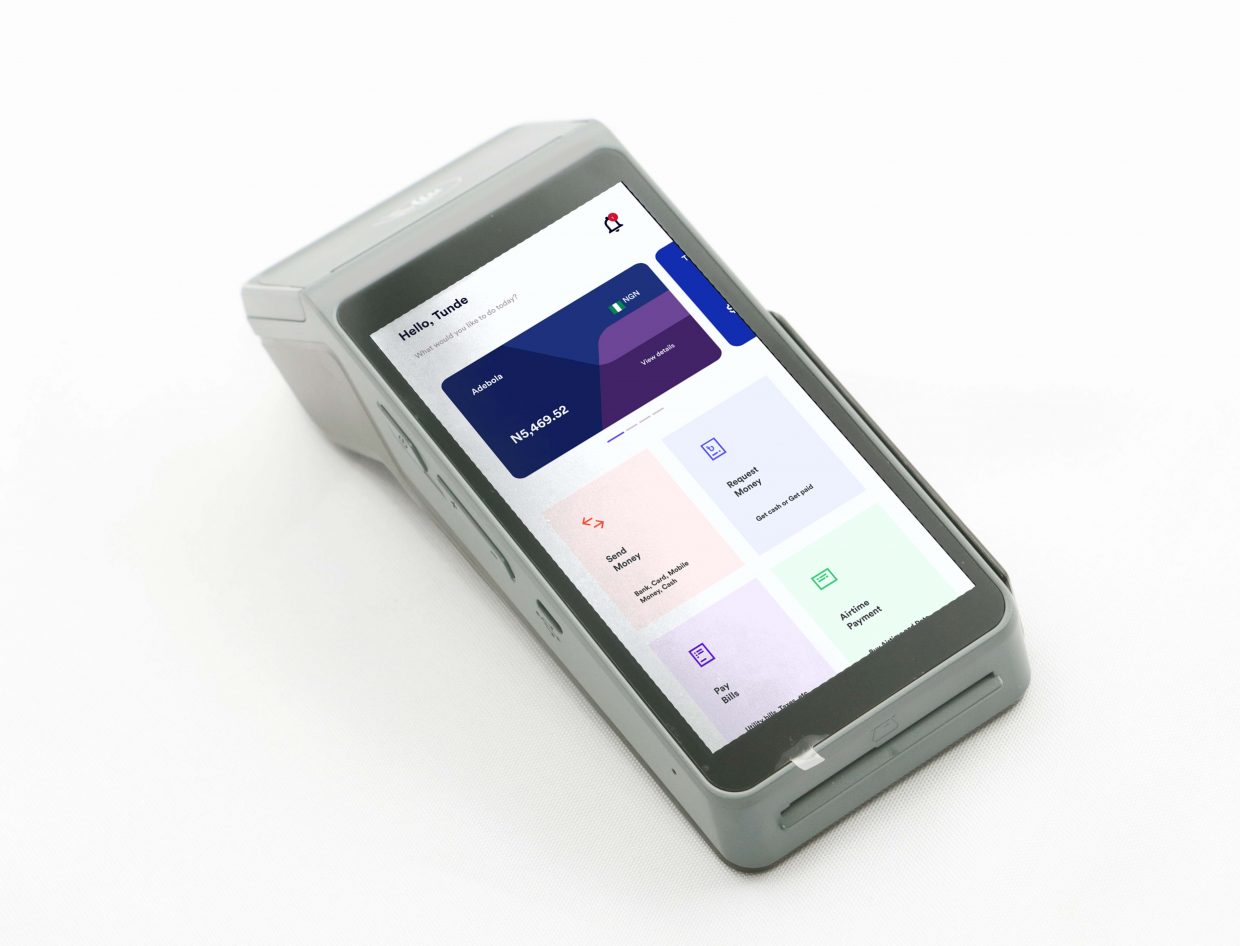
Know the Transaction Fees Associated with Merchant Payment Solutions

Transaction Fees in Merchant Payment Solutions

Merchant payment solutions play a pivotal role in today’s digital economy, enabling businesses to accept various payment methods and offer convenient transactions. However, understanding the transaction fees in Merchant Payment solutions is essential for any merchant to make informed financial decisions. In this comprehensive guide, we delve into the world of transaction fees, providing insights into the costs, types of fees, and strategies to optimize expenses without compromising on payment convenience.

Types of Transaction Fees in Merchant Payment Solutions

  1. Processing Fees: These are the most common fees charged for each transaction processed through the merchant payment solution. Processing fees are typically a percentage of the transaction amount or a flat fee per transaction.
  2. Interchange Fees: Interchange fees are set by payment networks like Visa, Mastercard, or American Express. However, they are paid by the merchant’s bank to the cardholder’s bank for facilitating the transaction.
  3. Assessment Fees: Assessment fees are levied by payment networks and are a small percentage of the transaction amount. They help cover the network’s operational costs.
  4. Monthly Service Fees: Some merchant payment solutions charge a monthly service fee to cover the costs of maintaining the payment infrastructure.
  5. Chargeback Fees: In the event of a customer dispute or chargeback, some solutions charge fees to cover administrative costs.

Impact of Transaction Fees on Your Business

Transaction fees in Merchant Payment Solution directly impact your bottom line and can significantly affect your profitability. While they are a necessary part of accepting electronic payments, understanding how to manage these fees effectively is essential. High transaction fees can erode your profits, especially for businesses with high transaction volumes.

Optimizing Transaction Costs

  1. Negotiate with Providers: Don’t hesitate to negotiate transaction fees with your payment solution providers, especially if you have a high transaction volume.
  2. Analyze Different Providers: Compare different merchant payment solutions to find the one that offers the most favorable fee structure for your business.
  3. Offer Multiple Payment Methods: Encourage customers to use lower-cost payment methods, such as ACH or bank transfers, to reduce transaction fees.
  4. Implement Fraud Prevention Measures: Furthermore, reducing the risk of chargebacks and fraud can help you avoid associated fees.
  5. Track and Monitor Fees: Finally, analyze your transaction fees regularly to identify patterns and take proactive steps to optimize costs.

Conclusion

In the digital landscape, any business must understand the crucial importance of comprehending the transaction fees associated with merchant payment solutions. By familiarizing yourself with the types of fees, their impact on your business, and strategies to optimize costs. You can make informed decisions that ensure seamless payment experiences for your customers while maintaining healthy profit margins. Keep exploring the options available and negotiate with providers. Finally, implement best practices to strike the right balance between payment convenience and cost efficiency in your businesses.

How White Label Payment Solutions Boost Revenue for Start-ups and Small Businesses

In today’s competitive business landscape.As start-ups and small businesses face numerous challenges in increasing revenue and gaining a competitive edge. However, one effective way to achieve this goal is by leveraging white-label payment solutions. In this blog post, we will delve into the significance of white-label payment and how it can help start-ups and small businesses. To boost their revenue. Let’s explore the key benefits and strategies for implementing these solutions successfully.

Understanding White Label Payment Solutions

Moreover, White-label payment are third-party payment platforms that allow businesses to integrate and offer payment services under their own branding, providing a seamless and consistent user experience. These solutions are usually developed and maintained by payment service providers, while businesses rebrand and customize the platform to match their identity.

Key Benefits of White Label Payment Solutions

  1. Brand Visibility and Trust: First, By using white-label payment solutions. Start-ups and small businesses can strengthen their brand presence and create a sense of trust among their customers. Customers are more likely to complete transactions when they recognize and trust the payment platform.
  2. Enhanced User Experience: Secondly, White-label solutions provide a cohesive user experience by aligning the payment process with the overall branding of the business. This consistency fosters a positive impression and encourages customers to return for future purchases.
  3. Faster Implementation: Thirdly, Integrating a white-label payment solution is typically quicker and more straightforward than developing an in-house payment system. This allows businesses to start accepting payments faster, accelerating their revenue generation.
  4. Reduced Costs: Also, Developing and maintaining a proprietary payment system can be costly for start-ups and small businesses. White-label solutions offer a cost-effective alternative, as the development and maintenance costs are distributed among multiple clients.
  5. Scalability: lastly, White-label payment solutions are designed to accommodate growth. As a start-up or small business expands, the payment platform can seamlessly handle increasing transaction volumes without disruptions.

Implementing White Label Payment Solutions

  1. Research and Choose the Right Provider: First, Conduct thorough research to identify reputable and reliable white-label payment service providers. Look for a provider that aligns with your business needs, offers robust security measures, and provides excellent customer support.
  2. Customize the User Interface: Tailor the payment platform’s user interface to reflect your brand identity. Consistent branding creates a sense of familiarity and trust, which positively impacts the user experience.
  3. Optimize for Mobile Devices: Ensure that the white-label payment solution is mobile-friendly, as a significant portion of online transactions now occurs on smartphones and tablets.
  4. Focus on Security: Security is paramount in the payment processing industry. Partner with a provider that complies with industry security standards and certifications to protect both your business and your customers.
  5. Seamless Integration: Work closely with your IT team or developers to integrate the white-label payment solution seamlessly into your existing website or application. Test the integration thoroughly to identify and resolve any issues before going live.

Conclusion

In conclusion, white-label payment offer start-ups and small businesses a powerful tool to increase revenue and establish a strong market presence. Leveraging these it enhances brand visibility, fosters trust, and delivers a seamless user experience. Lastly, By choosing the right provider and implementing the solution strategically, businesses can reap the benefits of higher revenue generation and long-term growth.

Exploring the Distinctions: White Label Payment Solutions vs. Traditional Payment Gateways

In the rapidly evolving world of online transactions, White Label Payment Solutions businesses often face the decision of choosing between white-label payment and traditional p gateways. Both options facilitate the seamless transfer of funds, but they differ significantly in various aspects. Understanding the distinctions can help you make an informed choice that suits your business needs.

Difference between White-label payment solutions and Traditional payment gateways.

  1. Ownership and Branding,: With white-label payment solutions, businesses can customize the payment gateway with their branding elements. It allows them to maintain a consistent brand image throughout the payment process, enhancing customer trust and loyalty. Traditional Payment Gateways: On the other hand. Traditional payment gateways usually display the service provider’s branding.
    .
  2. Integration and Customization, White Label Payment Solutions: These solutions offer a higher degree of integration and customization. Businesses can tailor the payment process to align with their website design. Traditional Payment Gateways: Traditional gateways provide integration options. The level of customization might be limited, potentially affecting the overall user experience.
  3. Compliance and Security, White Label Solutions: Businesses that opt for white-label solutions need to ensure compliance with relevant regulations and security standards.Traditional Payment Gateways: Traditional gateways typically handle compliance and security aspects, which can be advantageous for businesses lacking expertise in this area.
  4. Cost and Pricing Model, White Label Payment Solutions: The cost of white label solutions can vary based on the level of customization and features required. They might involve upfront development costs but can offer more cost-effective long-term solutions. Traditional Payment Gateways: These gateways often have a straightforward pricing model with transaction fees, making it easier for businesses to predict their payment processing expenses.
  5. Time-to-Market, White-Label Solutions: Implementing a white-label solution might require more development time, especially for extensive customizations. This could delay the time-to-market for businesses. Traditional Payment Gateways: Traditional gateways, with their ready-made solutions, can significantly reduce the time required for integration and implementation.
  6. Customer Support, White Label Solutions: Lastly, With white label solutions, businesses can provide dedicated customer support, ensuring prompt issue resolution and personalized assistance. Traditional Payment Gateways: Customer support for traditional gateways is typically handled by the service provider. Which might not always align perfectly with the business’s specific requirements.

Conclusion,

In conclusion, choosing between white-label payment and traditional payment gateways depends on your business’s specific needs and priorities. This offers greater customization and branding opportunities. But require more effort to set up and maintain. Also, on the other hand. Offer convenience and faster integration but might have limitations in branding and customization. Analyzing these key differences can help you make an informed decision to optimize your online payment processing experience.

Which are the Best Merchant Payment Solutions for Small Businesses?

Merchant Payment Solutions for Small Businesses

Selecting the right merchant payment solution is crucial for small businesses seeking to offer seamless and secure payment options to their customers. However, with an array of options available, finding the perfect fit can be challenging. In this article, we explore the best merchant payment solutions specifically designed for small businesses. Evaluate their features, transaction fees, and ease of integration to make an informed decision that aligns with your business needs.

1. PayPal: Streamlined and Trusted

PayPal is a household name and a reliable choice for small businesses. Its user-friendly interface, swift setup process, and broad international reach make it an excellent option for e-commerce ventures. However, with competitive transaction fees, PayPal is ideal for businesses processing various online transactions.

2. Square: Versatile and Inclusive

Meanwhile, square caters to diverse businesses, from retail stores to service-based enterprises. With its mobile point-of-sale (mPOS) system and contactless payment options, Square is perfect for both online and in-store transactions. Hence, its transparent pricing and free basic features make it a favorite among startups and small businesses.

3. Stripe: Developer-Friendly and Robust

Furthermore, stripe’s developer-friendly platform makes it an attractive choice for businesses with custom payment needs. Offering extensive APIs and a seamless integration process, Stripe is ideal for tech-savvy entrepreneurs looking to build unique payment experiences. Therefore, its transparent pricing structure ensures businesses only pay for what they use.

4. Authorize.Net: Secure and Reliable

Meanwhile, Authorize.Net has been a longstanding player in the payment processing industry. Known for its secure and dependable services, it is particularly popular among small businesses with recurring billing needs. Its fraud prevention tools and easy-to-use interface instill confidence in both businesses and customers.

5. Shopify Payments: Tailored for E-commerce

For small businesses running on Shopify, Shopify Payments offers a convenient and seamless solution. Integrated with the Shopify platform, it simplifies the checkout process and offers competitive transaction rates for online businesses.

6. Braintree: Seamless Global Transactions

Braintree, a PayPal service, specializes in enabling smooth global transactions. With support for multiple currencies and international cards, it suits small businesses with an international customer base. Its secure and hassle-free checkout process enhances the customer experience.

Conclusion

Conclusively, choosing the best merchant payment solution is a vital step for small businesses aiming to provide efficient payment options and enhance customer satisfaction. By considering factors like ease of integration, transaction fees, and features, you can make a well-informed decision. Whether your business operates online or in-store, one of these top merchant payment solutions will undoubtedly be the perfect fit to meet your unique business needs. Similarly, it will drive growth in the competitive marketplace.

Mobile Money Agents

How To Understand The Functionality Of A Merchant Payment Solution

Merchant Payment Solution

In today’s digital landscape, merchant payment solutions play a pivotal role in enabling businesses to accept electronic payments from their customers seamlessly. From online retailers to brick-and-mortar stores, understanding how these payment solutions work is essential for modern businesses. In this comprehensive guide, we will demystify merchant payment solutions and explore their functionality, benefits, and impact on the overall payment ecosystem.

What is a Merchant Payment Solution?

A merchant payment solution is a comprehensive financial service that enables businesses to accept various electronic payment methods, such as credit cards, debit cards, digital wallets, and mobile payments. These solutions serve as intermediaries between customers, merchants, and financial institutions, facilitating secure and efficient transactions.

How Merchant Payment Solutions Work

  1. Payment Processing Platforms: Merchant payment solutions operate on robust payment processing platforms that securely manage and authorize transactions. When a customer initiates a payment, the payment processor communicates with the customer’s bank to verify the account and available funds.
  2. Card Readers and Terminals: For in-store transactions, businesses utilize card readers or terminals to process payments. These devices are equipped with encryption technology to safeguard sensitive cardholder data during the transaction.
  3. Online Payment Gateways: Meanwhile, in the realm of e-commerce, online payment gateways act as virtual payment terminals. They securely process transactions over the internet, encrypting data to protect customers’ personal and financial information.
  4. Transaction Authorization: Once the payment processor confirms the validity of the transaction, it sends an authorization request to the customer’s issuing bank. The bank then verifies the account’s balance and approves or declines the transaction accordingly.
  5. Funds Transfer and Settlement: After approval, the funds are transferred from the customer’s bank to the merchant’s account. Typically, merchants receive the payment within a specified settlement period, depending on their agreement with the payment solution provider.

Benefits

  1. Enhanced Customer Experience: Accepting electronic payments provides convenience and flexibility to customers, enhancing their overall shopping experience.
  2. Reduced Payment Risks: Merchant payment solutions incorporate advanced security measures, reducing the risk of fraud and chargebacks.
  3. Streamlined Transactions: The automation and efficiency of payment processing streamline transactions, enabling faster checkouts and reduced waiting times.
  4. Increased Sales Opportunities: By accepting various payment methods, merchants can attract a broader customer base, leading to increased sales and revenue.

Conclusion

This model is the driving force behind modern commerce, revolutionizing the way businesses transact with their customers. From card payments to digital wallets, these solutions simplify payment processing, offer enhanced security, and elevate the overall customer experience. Finally, as businesses continue to adapt to the evolving payment landscape, it is important to embrace merchant payment solutions. This is because it has become indispensable for success in the digital era.

Agency Banking Solution

How White-Label Agency Banking Benefits Financial Institutions

In the rapidly evolving financial landscape, reaching out to unbanked or underserved populations remains a challenge for traditional financial institutions. However, an innovative solution called white-label agency banking is helping these institutions bridge the gap. Similarly, it extends its services to previously untapped markets. In this blog post, we will explore how it empowers financial institutions to expand their reach. At the same time, how it attracts new customers and boosts revenue, all while emphasizing its significance for the industry.

How white-label agency banking empowers financial institutions to expand their reach.

  1. Understanding White-Label Agency Banking: This involves collaboration between financial institutions and third-party agents or retail outlets. Under this model, agents are authorized to offer a range of banking services on behalf of the financial institution. Expanding the institution’s reach to remote areas where setting up brick-and-mortar branches might be cost-prohibitive.
  2. Expanding Reach into Unbanked Areas: One of the primary benefits of white-label agency banking is its ability to penetrate unbanked or underbanked regions. By leveraging existing retail networks as access points, financial institutions can establish a presence in remote areas. Reaching out to individuals who have limited or no access to traditional banking services.
  3. Building Trust and Loyalty: Working with trusted local agents can help financial institutions build rapport and trust within communities where they lack a physical presence. As agents are often familiar with the local culture and language, they can effectively communicate the benefits of banking services.
  4. Cost-Effective Expansion Strategy: However, setting up and maintaining physical branches in remote areas can be a costly affair. White-label agency banking offers a cost-effective alternative, as financial institutions can leverage existing retail infrastructure and resources.
  5. Access to Valuable Customer Data: Moreover, through this, financial institutions gain access to valuable data about customer behaviors and preferences.
  6. Driving Digital Financial Inclusion: White-label agency banking not only promotes financial inclusion by providing access to basic banking services but also paves the way for digital financial inclusion.
  7. Lastly, Enhancing Revenue Streams: As this helps financial institutions attract new customers and increase transaction volumes, it naturally leads to enhanced revenue streams.

Conclusion

This has proven to be a game-changer for financial institutions looking to expand their reach and serve previously underserved communities. By leveraging existing retail networks and local agents. Institutions can break through geographical barriers, build trust, and foster financial inclusion. As the world becomes increasingly interconnected, embracing it is not only a strategic move but also a socially responsible one.

Mobile Money Agents

Important Role of Payment Processors in White-Label Payment Solutions

In the ever-evolving landscape of digital transactions, white-label payment solutions have emerged as a game-changer for businesses seeking a tailored, branded payment processing experience. Central to the success of these solutions are payment processors, playing a vital role in facilitating smooth and secure financial transactions. This article delves into the significance of payment processors in white-label payment solutions and how they contribute to the growth and profitability of businesses.

Enabling Seamless Transactions

The core function of payment processors within white-label solutions is to facilitate seamless transactions between buyers and sellers. When a customer initiates a payment, the payment processor acts as an intermediary, securely transmitting the payment details to the acquiring bank and the card networks. This ensures that funds are transferred smoothly from the customer’s account to the merchant’s account without any disruptions. As a result, businesses can provide their customers with a hassle-free payment experience, fostering trust and loyalty.

Ensuring Secure Payment Processing

Security is a paramount concern in the digital payment realm, and payment processors in white-label solutions play a pivotal role in maintaining the integrity of transactions. These processors have advanced fraud detection and encryption technologies that safeguard sensitive customer information during transmission. Similarly, by complying with the industry’s stringent security standards, payment processors instill confidence in customers to transact securely benefiting the business’s reputation.

Expanding Payment Options

Payment processors in white-label solutions offer a diverse range of payment options to cater to a broader customer base. Whether it’s credit cards, debit cards, e-wallets, or mobile payments, these processors integrate various payment methods seamlessly, accommodating customers’ preferences. By widening the array of payment choices, businesses can attract more customers, drive conversions, and enhance customer satisfaction.

Streamlining Payment Settlements

Further, efficient payment settlements are crucial for businesses to maintain a healthy cash flow. Payment processors in this solution streamline the settlement process by swiftly transferring funds from the acquiring bank to the merchant’s account. Therefore, with faster settlements, businesses can reinvest their revenue promptly, optimize inventory management, and maintain smooth operations.

Enhancing Analytics and Reporting

Payment processors offer businesses valuable insights and data analytics utilizing white-label solutions. Hence, these analytics provide in-depth information about transaction patterns, customer behaviors, and revenue trends. However, by leveraging this data, businesses can make data-driven decisions, optimize and refine their strategies, leading to increased business growth.

Conclusion

In conclusion, payment processors form the backbone of white-label payment solutions, empowering businesses with secure, reliable, and efficient transaction capabilities. These processors ensure smooth payments, diverse options, and valuable analytics for business success in the digital landscape. Additionally, by partnering with a robust payment processor, businesses can elevate their brand, attracting more customers, and new revenue streams.

How to know if White-Label Payment Solutions Support Various Payment Methods

Various Payment Methods in White-Label Payment Solutions

In the ever-evolving world of digital payments, businesses seek flexible and efficient solutions to cater to diverse customer preferences. White-label payment solutions have emerged as a game-changer, offering customizable payment processing services to businesses. In this blog post, we explore the capabilities of white-label payment solutions in supporting various payment methods. However, they include credit cards, e-wallets, and bank transfers. Discover how these solutions provide a seamless and convenient checkout experience for customers.

The Versatility of White-Label Payment Solutions

White-label payment solutions are designed to be adaptable, allowing businesses to accept a wide range of payment methods based on customer preferences and regional requirements. Here are the key payment methods that white-label solutions typically support:

1. Credit Cards: White-label payment solutions seamlessly integrate with major credit card networks, such as Visa, Mastercard, American Express, and Discover. Basically, customers can securely make transactions using their credit cards, while businesses benefit from real-time authorization and swift payment processing.

2. E-Wallets: With the growing popularity of digital wallets, white-label payment solutions are equipped to accept payments from various e-wallet providers. Furthermore, whether it’s PayPal or other e-wallet services, customers can enjoy the convenience of quick and contactless payments.

3. Bank Transfers: Meanwhile, white-label solutions facilitate bank transfers through Automated Clearing House (ACH) and other bank payment gateways. Therefore, this payment method allows customers to transfer funds directly from their bank accounts to complete transactions.

4. Cryptocurrencies: In response to the interest in cryptocurrencies, some white-label payment solutions support payments using digital currencies like Bitcoin, Ethereum, and others. However, accepting cryptocurrencies opens new avenues for businesses and attracts tech-savvy customers.

5. Prepaid Cards: Additionally, white-label solutions can process payments made with prepaid cards, allowing customers to use their prepaid balances for purchases.

The Benefits of Supporting Multiple Payment Methods:

  1. Enhanced Customer Satisfaction: By accepting various payment methods, businesses cater to the diverse preferences of their customers, leading to higher satisfaction levels and repeat business.
  2. Expanded Customer Base: Supporting multiple payment methods breaks down barriers for customers who may have limited access to traditional payment options. Hence, widening the customer base.
  3. Reduced Cart Abandonment: A variety of payment options reduces the likelihood of cart abandonment, as customers can choose their preferred method for a smooth checkout experience.
  4. Global Reach: Finally, accepting different payment methods facilitates international transactions, enabling businesses to serve customers worldwide.

Conclusion

White-Label Payment solutions are versatile and powerful tools that enable businesses to offer multiple payment methods, including credit cards, e-wallets, bank transfers, and more. By providing a seamless and convenient checkout experience for customers, these solutions enhance customer satisfaction, and open doors to new markets Finally, embracing the flexibility of white-label payment solutions empowers businesses to stay ahead in this dynamic world of digital payments. At the same time, they ensure growth and success in an increasingly competitive landscape.

How to Know the Advantages of White Label Payment Gateway Solutions?

Advantages of White-Label Payment Gateway Solutions

In the digital landscape, businesses need secure payment solutions that reflect their brand. White-label payment gateways offer a versatile platform for online payments, empowering businesses with seamless transactions. Discover their advantages in this blog post.

Seamless Brand Integration

Meanwhile, white-label payment gateway solutions enable businesses to integrate their brand elements seamlessly into the payment process. Therefore, Customizable interfaces, including logos, colors, and design elements, ensure a consistent brand experience for customers, reinforcing brand trust and recognition.

Enhanced Security Measures

On the other hand, security is paramount in the digital payment ecosystem. This model prioritizes data protection with robust security measures, such as SSL encryption and tokenization. However, these measures safeguard sensitive customer information, instilling confidence in customers during the checkout process.

Versatility in Payment Methods

Similarly, this model supports a wide range of payment methods, catering to diverse customer preferences. From credit cards and debit cards to e-wallets and bank transfers, businesses can offer multiple payment options, reducing barriers to purchase and increasing conversion rates.

Customizable User Experience

Furthermore, a seamless user experience is vital to ensure customer satisfaction. With this model, businesses can customize the user interface, making it intuitive and user-friendly. Streamlined checkouts lead to higher customer retention and reduced cart abandonment.

Scalability and Flexibility

Meanwhile, as businesses grow, their payment processing needs evolve. White-label payment gateway solutions offer scalability and flexibility, accommodating increasing transaction volumes and adapting to changing business requirements without disruptions.

Quick and Easy Integration

However, integrating a white-label payment gateway into existing websites or applications is a hassle-free process. With well-documented APIs and developer support, businesses can implement the solution efficiently, saving time and resources.

Real-Time Analytics and Insights

On the other hand, white-label payment gateway solutions provide valuable data analytics and insights. Businesses can access real-time transaction data, identify trends, and gain valuable customer behavior insights to optimize their sales strategies.

Dedicated Customer Support

Additionally, reliable customer support is crucial for any payment solution. White-label payment gateway providers often offer dedicated support to address technical issues and inquiries promptly, ensuring smooth and uninterrupted payment processing.

Conclusion

In conclusion, this model offers businesses a host of advantages, empowering them with secure, customizable, and user-friendly transaction experiences. With seamless brand integration, enhanced security measures, and versatile payment options, businesses can build trust, drive growth, and foster long-term customer satisfaction. The scalability, quick integration, and real-time analytics further position white-label payment gateway solutions as indispensable tools for businesses seeking a competitive edge in the digital payments landscape. Finally, embrace the advantages of white-label payment gateway solutions. At the same time, to streamline your payment processes and elevate the customer experience to new heights.

×

Hello!

Click one of our contacts below to chat on WhatsApp

×