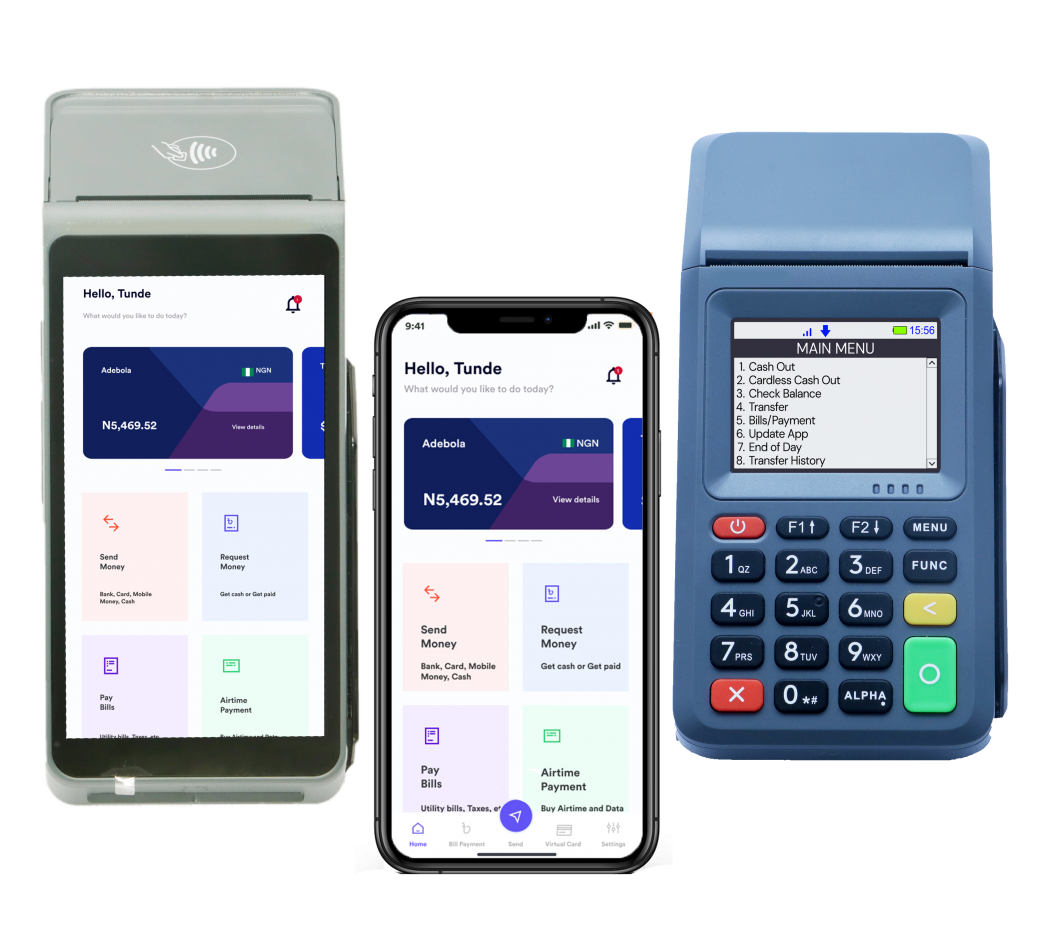

Merchant White label Solution

Merchant White label Solution

What are the Key Considerations for Selecting the Right White Label Payment Gateway Solution

Selecting the right white-label payment gateway solution is a pivotal decision for businesses. In the dynamic world of e-commerce and online transactions, the ideal solution can streamline transactions, enhance security, and optimize the customer experience. This blog post dives into the key considerations businesses must weigh when choosing a white-label payment gateway, guiding you toward the best fit for your specific needs.

Integration and Compatibility

Ensure the white-label payment gateway solution seamlessly integrates with your existing e-commerce platform, website, or mobile app. Hence, compatibility is vital to avoid technical hitches and ensure a smooth customer checkout experience.

Payment Method Support

However, consider the variety of payment methods the white-label solution can handle. Your chosen solution should accommodate credit cards, debit cards, mobile wallets, and other popular payment methods to cater to diverse customer preferences.

Security and Compliance

Furthermore, data security is non-negotiable in payment gateways. Hence, prioritize solutions that adhere to Payment Card Industry Data Security Standard (PCI DSS) compliance and employ robust encryption and fraud prevention measures.

User-Friendly Interface

Meanwhile, a user-friendly interface contributes to higher customer satisfaction. Select a white-label payment gateway with an intuitive design, clear instructions, and a seamless user experience for both customers and merchants.

Transaction Fees and Costs

Additionally, evaluate the transaction fees and overall costs associated with the white-label solution. Therefore, strike a balance between competitive pricing and the features and services offered to optimize cost-effectiveness.

Customization Options

On the other hand, tailor the payment gateway’s look and feel to align with your brand. Similarly, customization options should allow you to incorporate your logo, color scheme, and brand elements for a consistent brand identity.

Mobile Responsiveness

In an increasingly mobile-driven world, ensure the white-label payment gateway is fully responsive and optimized for various devices, enabling smooth transactions on smartphones and tablets.

Customer Support and Service

Moreover, access to reliable customer support is essential. Choose a white-label solution provider with responsive customer service and technical assistance to address any issues promptly.

Analytics and Reporting

Comprehensive analytics and reporting are valuable for tracking transaction data, customer behavior, and performance. Opt for a solution that provides actionable insights for strategic decision-making.

Scalability and Growth Potential

Similarly, consider the scalability of the white-label payment gateway solution. However, as your business grows, the solution should accommodate increased transaction volumes and future expansion plans.

Conclusion

Ultimately, selecting the right white-label payment gateway solution is a critical aspect of any successful online business. By carefully considering integration, payment method support, security, user experience, costs, customization, mobile responsiveness, customer support, analytics, and scalability, you can make an informed decision that aligns with your business needs and ultimately leads to seamless transactions, enhanced security, and satisfied customers. Therefore, embrace the power of a well-chosen white-label payment gateway solution to unlock new heights of success in your e-commerce journey.


How to Understand Transaction Volume in White Label Payment Solution

As businesses embrace digital transactions, the demand for efficient and scalable payment solutions is on the rise. White-label payment solutions offer a versatile option for processing transactions under your brand. In this blog post, we will explore the level of transaction volume a white-label payment solution can handle. Therefore, learn how these solutions ensure seamless scalability and optimal performance to support businesses of all sizes.

Understanding Transaction Volume in White Label Payment Solutions

Transaction volume refers to the number of transactions processed within a specific timeframe. For businesses processing numerous transactions daily, it is crucial to have a payment solution capable of handling varying volumes while maintaining top-notch performance. White-label payment solutions address this need by providing robust infrastructure and optimized systems.

Scalability and Performance

  1. Efficient Processing of High Volumes: White-label payment solutions are designed to handle significant transaction volumes without compromising on speed and accuracy. With advanced technology and cloud-based architecture, these solutions can efficiently process a large number of transactions simultaneously.
  2. Seamless Growth and Flexibility: Meanwhile, businesses experiencing growth can rely on white-label payment solutions for seamless scalability. Whether processing hundreds or thousands of transactions, the solution adapts to the increasing volume, ensuring a smooth payment experience for customers.
  3. Stability and Reliability: A white-label payment solution’s infrastructure is built to maintain stability and reliability even during peak transaction periods. Therefore, it minimizes downtime and ensures consistent performance, enhancing customer satisfaction.

Factors Influencing Transaction Volume

  1. Business Size and Industry: The transaction volume requirement varies based on the size and industry of the business. Large enterprises and high-growth sectors may demand a higher transaction processing capacity.
  2. Seasonal Demand: Some businesses experience fluctuating transaction volumes due to seasonal demands. White-label payment solutions must handle varying transaction levels during peak seasons.
  3. Cross-Border Transactions: Businesses engaged in international trade may have higher transaction volumes due to cross-border payments. White-label solutions must accommodate global payment processing.

Choosing the Right White Label Payment Solution

Selecting the appropriate white-label payment solution is crucial to ensure optimal transaction volume handling. Consider the following factors:

  1. Scalability: Ensure the solution offers scalability to meet your current and future transaction volume requirements.
  2. Reliability and Security: Look for a solution with a proven track record of reliability and strong security measures to protect sensitive customer data.
  3. Performance Metrics: Evaluate the solution’s performance metrics, such as processing time and success rates, to determine its efficiency in handling transaction volumes.

Conclusion

Conclusively, white-label payment solutions offer businesses the ability to efficiently handle varying transaction volumes, from low to high. The versatility and scalability of these solutions make them an ideal choice for businesses seeking reliable payment processing under their brand. By understanding your transaction volume needs and selecting the right white-label payment solution, you can ensure seamless payment processing, enhance customer experience, and drive business growth.

How White Label Payment Solutions Benefit Customers

White Label Payment Solution

In today’s fast-paced digital world, providing a smooth and hassle-free payment experience is crucial for businesses. White Label Payment Solutions have emerged as a game-changer, simplifying the payment process for customers. This blog post explores the features and benefits of white-label payment solutions that enhance the user experience and create a seamless checkout journey for customers.

Multiple Payment Options

The white-label Payment Solution model offers customers a variety of payment options, catering to their preferences and convenience. Whether it’s credit/debit cards, e-wallets, bank transfers, or alternative payment methods, customers can choose their preferred mode of payment, enhancing their satisfaction and boosting conversion rates.

Secure and Trustworthy Transactions

Additionally, with robust security measures and encryption protocols, white-label payment solutions ensure secure and trustworthy transactions. Customers can confidently make payments, knowing that their sensitive financial information is protected from unauthorized access and fraud.

Faster Checkout Process

However, a streamlined checkout process is essential for reducing cart abandonment rates. Hence, this model minimizes unnecessary steps and simplifies the payment flow, allowing customers to complete transactions quickly and effortlessly.

Seamless Integration with Websites and Apps

White-label payment solutions seamlessly integrate with businesses’ websites and mobile apps, providing a consistent and seamless payment experience across all platforms. Hence, customers can make payments without being redirected to external payment gateways, ensuring a seamless brand experience.

Customization for Brand Consistency

White-label payment solutions can be customized to reflect a business’s branding elements, such as logos and color schemes. Hence, this customization reinforces brand consistency, instills trust, and creates a memorable customer experience.

User-Friendly Interfaces

Therefore, user-friendly interfaces are a hallmark of white-label payment solutions. However, intuitive designs and clear instructions guide customers through the payment process, reducing confusion and potential errors.

Real-Time Transaction Status

Furthermore, customers appreciate transparency in payment transactions. White-label payment solutions provide real-time transaction status updates. Similarly, keeping customers informed about successful payments and order confirmations.

Enhanced Mobile Payment Experience

On the other hand, mobile commerce continues to rise, white-label payment solutions are optimized for mobile devices. Therefore, mobile-responsive interfaces ensure a seamless payment experience, driving higher mobile conversion rates.

Support for Recurring Payment

For businesses offering subscription-based services, white-label payment solutions support recurring payments, automating regular billing cycles for enhanced convenience.

24/7 Customer Support

Ultimately, white-label payment solutions often come with round-the-clock customer support. Therefore, they address any payment-related queries or concerns that customers may have promptly.

Conclusion

Conclusively, incorporating a white-label payment solution can significantly simplify the payment process for customers. From offering multiple payment options and secure transactions to seamless integration, customization, and user-friendly interfaces, this innovative solution enhances the overall customer experience. As businesses prioritize providing a frictionless payment journey, white-label payment solutions prove to be a valuable asset, fostering customer satisfaction, loyalty, and ultimately, business growth.

Agency Banking Solution

How to know Services Offered Through a White-Label Agency Banking Platform

Firstly, in the realm of modern financial services, white-label agency banking solutions have emerged as game-changing solutions. They are very important for businesses seeking to expand their reach and provide a wider array of services to customers.

Services that can be efficiently delivered through a white-label agency banking platform;

  1. Core Banking Services: However, the foundation of white-label agency banking solutions lies in its ability to offer core banking services. These encompass basic transactions such as account opening, balance inquiries, fund transfers, and bill payments.
  2. Cash Management: Although, efficient cash management is essential for both businesses and consumers. However, a white-label agency banking solution facilitates cash deposits, withdrawals, and cash-in/cash-out transactions.
  3. Lending Products: Meanwhile, through the solutions, financial institutions can offer lending products such as personal loans, microloans, or even small business loans.
  4. Insurance Services: Moreover, insurance products, including life, health, and property insurance, can be seamlessly integrated into the platform. Thus, this creates an additional revenue stream for institutions.
  5. Mobile and Digital Wallets: White-label agency banking solutions are ideal for integrating mobile and digital wallets, allowing customers to make payments, conduct transactions, and manage their finances through their smartphones.
  6. Investment and Wealth Management: Meanwhile, financial institutions can broaden their portfolio by providing investment options and wealth management services. Therefore, customers can access mutual funds, stocks, and other investment products.
  7. Utility Bill Payments: A convenient utility bill payment service can be incorporated into the platform, enabling customers to settle their electricity, water, gas, and other bills effortlessly.
  8. International Money Transfers: White-label agency banking solutions can facilitate secure and cost-effective international money transfers. Customers can send and receive money globally without the need for third-party remittance services.
  9. Financial Education: To empower customers with financial knowledge, institutions can offer educational content through the platform. This could include articles, videos, or interactive modules to promote financial literacy among users.
  10. Agency Management: lastly, apart from offering services to end customers, the platform also allows financial institutions to efficiently manage their agency network. This includes agent onboarding, training, and performance monitoring

Conclusion

Conclusively, white-label agency banking solutions unlock a multitude of opportunities for financial institutions to provide diverse and sophisticated services under their brand. Finally, starting from core banking services to investment options, the platform empowers institutions to cater to evolving customer demands effectively.

Enhancing Customer Experience: The Impact of White-Label Agency Banking

Firstly, in today’s rapidly evolving financial landscape, agency banking advantages for customers experience has become a crucial differentiator for banks and financial institutions. As customers demand more convenience, personalization, and accessibility, traditional banking methods are giving way to innovative solutions such as white-label agency banking.

What is White-Label Agency Banking Advantages for Customers?

However, white-label agency banking involves the collaboration between a traditional financial institution and a non-banking entity to offer banking services under the brand of the non-banking partner. Essentially, it allows non-banking organizations, like retail stores or fintech companies.

Personalization and Accessibility: Agency Banking Advantages for Customers

Furthermore, One of the primary reasons why white-label agency banking enhances customer experience is the increased personalization it offers. Traditional banking can often feel impersonal, with a focus on standard procedures and limited flexibility.

Seamless Integration and Brand Consistency

Moreover, with white-label agency banking, customers experience a seamless integration of banking services into the ecosystem they are already familiar with. The services are integrated into the partner’s platform or app, ensuring a consistent and familiar user interface.

Increased Financial Inclusion

Additionally, white-label agency banking plays a significant role in promoting financial inclusion, especially in areas where traditional banking infrastructure might be limited. By utilizing the existing network of non-banking partners, banks can reach underserved or remote communities.

Enhanced Customer Support and Service

Lastly, collaborating with non-banking partners also opens up new avenues for providing exceptional customer support. These partners are often already well-versed in providing excellent customer service in their respective domains. Banks can extend the same level of customer support.

Conclusion

In conclusion, white-label agency banking is a game-changer in the banking industry, providing a win-win solution for both banks and customers. With its focus on personalization, accessibility, and brand consistency, this innovative approach enhances customer experience and sets a new standard for banking services. Lastly financial institutions can create a lasting impact.

History of White Label Agency Banking in Nigeria

White-label agency banking is making waves in Nigeria’s financial sector, redefining how banks and financial institutions operate. Hence, this blog post explores the impact and opportunities of white-label agency banking in Nigeria. Discover how this innovative solution is transforming the banking landscape, empowering financial institutions to offer personalized services.

The Rise of White Label Agency Banking

With the rapid expansion of Nigeria’s financial market, banks are seeking new avenues to reach a broader customer base. White-label agency banking presents a game-changing solution, allowing banks to collaborate with third-party providers and extend their services beyond traditional branches. This strategic partnership opens doors to previously unexplored territories and fosters financial inclusion for the unbanked and underbanked population.

Benefits of White Label Agency Banking

  1. Enhanced Customer Reach: White-label agency banking allows banks to establish a network of retail agents in remote or underserved areas. These agents act as intermediaries, offering banking services to customers who may not have easy access to traditional bank branches.
  2. Tailored Banking Services: Through white-label solutions, banks can tailor their services to cater to the unique needs of the Nigerian market. However, this includes offering services in local languages and incorporating culturally relevant financial products.
  3. Cost-Effective Expansion: However, setting up physical branches in every region can be costly and time-consuming. White-label agency banking provides a cost-effective way for banks to expand their presence and serve a more extensive customer base.
  4. Technological Advancements: White-label solutions come with advanced technology and digital platforms, enabling seamless and secure transactions. Hence, customers can enjoy modern banking conveniences even in remote areas.

Regulatory Landscape and Compliance

The Central Bank of Nigeria (CBN) regulates the financial sector, including agency banking. Banks must adhere to CBN guidelines and obtain necessary licenses to operate white-label agency banking services. Compliance with regulations ensures customer protection and data security, fostering trust in the banking system.

Challenges and Mitigation Strategies

While white-label agency banking presents exciting opportunities, certain challenges must be addressed:

  1. Agent Training and Management: Proper training and monitoring of retail agents are essential to ensure quality service delivery and customer satisfaction.
  2. Security and Fraud Prevention: Robust security measures, such as encryption and multi-factor authentication, are crucial to safeguard customer data and prevent fraud.
  3. Awareness and Education: However, educating customers about agency banking services is critical for adoption. Similarly, public awareness campaigns can help dispel misconceptions and encourage participation.

Conclusion

Finally, white-label agency banking is reshaping Nigeria’s financial landscape, offering banks a powerful tool to expand their services and deliver personalized banking experiences. With its numerous benefits and potential for financial inclusion, this innovative solution is poised to bridge the gap between traditional banking and digital empowerment. As Nigeria embraces white-label agency banking, more Nigerians will gain access to a wide range of financial services, fostering economic growth and prosperity across the nation.

Security in Agency Banking Transactions

White-Label Agency Banking Solutions: Exploring Market Examples

Firstly, In the rapidly evolving world of financial services, agency banking solutions have gained immense popularity for their ability to empower traditional financial institutions. Among these, white-label agency banking solutions have emerged as a favored choice.

Examples of white-label agency banking solutions currently available in the market.

1. FinTech Bank Pro by Solutions Now: Although, FinTech Bank Pro, developed by Solutions Now, is a comprehensive white-label agency banking solution that caters to the needs of both banks and credit unions. With its user-friendly interface and robust backend infrastructure.

2. Omni Bank Connect by Tech Fin Solutions: Moreover, Omni Bank Connect is a versatile white-label agency banking solution provided by Tech Fin Solutions. Designed to be fully scalable, Omni Bank Connect offers a cloud-based platform that facilitates secure and real-time transactions.

3. Money Hub Enterprise by Fin Trust Systems: However, Money Hub Enterprise is a sophisticated white-label agency banking solution offered by Fin Trust Systems. This solution stands out for its emphasis on data security and compliance. ensuring that sensitive information remains protected at all times.

4. BankEase360 by Innovate Tech Solutions :Meanwhile, BankEase360 is an all-in-one this is provided by Innovate Tech. The platform is renowned for its turnkey deployment, enabling financial institutions to launch agency banking services quickly and efficiently.

5. Global Connect Banking Suite by Financial Linkers: Lastly, Global Connect Banking Suite is a comprehensive white-label agency banking solution designed by Financial Linkers for global financial institutions. The platform offers multi-currency support, making it ideal for banks with an international presence.

Conclusion

In conclusion, the market is brimming with exemplary white-label agency banking, each offering a unique set of features and benefits. Financial institutions seeking to diversify their offerings and enhance customer experiences should carefully evaluate these examples to identify the perfect fit for their requirements or what they need.

Financial Inclusion in Developing Countries: Opportunities of Agency Banking

Financial inclusion remains a pressing issue in developing countries, with millions of people still unbanked or underbanked. In this blog post, we delve into the transformative potential of agency banking as a tool to drive financial inclusion. Then, discover how this innovative approach can bridge the gap and empower underserved communities.

Understanding Agency Banking:

Defining Agency Banking

Agency banking involves partnering with local retail agents to provide banking services beyond the traditional brick-and-mortar branches. However, these agents act as intermediaries, bringing financial services closer to the customers.

The Role of Technology:

Most importantly, technology plays a crucial role in enabling agency banking. Furthermore, mobile banking solutions and digital platforms empower agents to conduct transactions securely, even in remote areas with limited infrastructure.

The Power of Agency Banking in Driving Financial Inclusion:

  • Access to Financial Services: Agency banking extends banking services to unbanked and underbanked individuals who lack proximity to formal banking institutions. Therefore, this increased accessibility fosters financial inclusion by granting them a gateway to the financial world.
  • Empowering Underserved Communities: Similarly, by reaching remote areas and marginalized communities, agency banking empowers them with opportunities to save, invest, and build a better future.
  • Microfinance and Small Businesses: In addition, agency banking can be instrumental in supporting microfinance institutions and small businesses, enabling them to access financial tools to grow and thrive.

Overcoming Challenges and Promoting Adoption:

  • Regulatory Environment: Navigating regulatory challenges is critical. However, policymakers and financial institutions must collaborate to create an enabling environment for agency banking to flourish.
  • Agent Training and Support: Further, proper training and ongoing support are essential for retail agents to efficiently offer banking services and educate customers.
  • Security and Fraud Mitigation: Robust security measures and fraud prevention strategies ensure the safety of transactions and build trust among customers.

Success Stories of Agency Banking in Developing Countries:

  • Kenya’s M-Pesa: The M-Pesa mobile money platform in Kenya has revolutionized financial inclusion, thus, providing easy access to financial services for millions of people.
  • India’s BC Model: India’s Business Correspondent (BC) model has enabled rural and remote populations to access banking services through local agents.

Future Prospects and Sustainable Growth:

  • Scaling Up: Expanding agency banking initiatives requires collaboration between financial institutions, governments, and technology providers to scale up operations effectively.
  • Innovation and Fintech: Moreover, embracing fintech solutions and innovative technologies can further enhance the reach and impact of agency banking.

Conclusion:

Conclusively, agency banking presents a promising solution to drive financial inclusion in developing countries. However, by leveraging local agents and technology, financial institutions can break barriers and extend vital services to the underserved. Agency banking can foster inclusive and resilient economies in the developing world by overcoming challenges and nurturing a supportive ecosystem.

Challenges that can come with a Multi-cloud strategy

What is White Label Agency Banking Customization? Tailoring Banking Solutions for Personalization

As financial institutions seek innovative ways to offer seamless and branded banking services, white-label agency banking has gained popularity. Therefore, one key aspect that sets white-label solutions apart is the level of customization they provide. However, in this blog post, we will delve into the extent of customization available in white-label agency banking solutions. Discover how financial institutions can tailor branding, user experience, and service offerings to create a unique and personalized banking solution for their customers.

What is White Label Agency Banking Customization?

White-label agency banking empowers financial institutions to collaborate with third-party providers to offer branded banking services. The level of customization in these solutions varies depending on the provider and the specific needs of the financial institution. Here are the key aspects that can be customized;

  1. Branding and Design: Financial institutions can fully customize the branding and design elements of the banking solution. However, this includes incorporating their logo, color scheme, and overall visual identity to create a consistent brand experience for customers. Therefore, the user interface can be tailored to reflect the financial institution’s unique style and personality.
  2. User Experience (UX): The user experience is a critical aspect of white-label agency banking customization. Financial institutions can design the user journey, menu options, and navigation flow to align with their customers’ preferences and expectations. Hence, a seamless and intuitive user experience enhances customer satisfaction and loyalty.
  3. Service Offerings: However, white-label agency banking solutions offer flexibility in service offerings. Financial institutions can choose which banking services to include in their customized solution, tailoring them to meet the specific needs of their customer base. Therefore, this allows for a focused and relevant banking experience.
  4. Integration with Existing Systems: Customization also extends to integrating the white-label solution with the financial institution’s existing systems and processes. However, this ensures a smooth transition and optimal utilization of the solution’s capabilities.
  5. Reporting and Analytics: Similarly, financial institutions can customize the reporting and analytics features of the white-label solution. Tailored reports and data insights provide valuable information for strategic decision-making and improving customer satisfaction.

Benefits of Customization in White Label Agency Banking

  1. Enhanced Brand Identity: Customization reinforces the financial institution’s brand identity, promoting brand recognition and trust among customers.
  2. Personalized Customer Experience: Tailoring the user experience and service offerings leads to a personalized and relevant banking experience, meeting customers’ unique needs.
  3. Competitive Advantage: Furthermore, customization allows financial institutions to differentiate themselves in the market, offering a distinct and attractive banking solution.
  4. Flexibility and Scalability: Financial institutions can scale the level of customization based on their growth and changing customer demands.

Conclusion

White-label agency banking solutions offer a high level of customization, empowering financial institutions to create personalized and branded banking experiences for their customers. By customizing branding, user experience, service offerings, and analytics, banks can strengthen their brand identity, gain a competitive edge, and provide a seamless and relevant banking solution. Embracing customization in white-label agency banking ensures a win-win situation for financial institutions and their customers, fostering lasting relationships and driving business growth

Agency Banking and the Important Role of Retail Agents

In the ever-evolving landscape of banking and finance, agency banking has emerged as a game-changer. This blog post delves into the significance of agency banking and sheds light on the important role retail agents play in facilitating financial inclusion and reaching unbanked populations.

What is Agency Banking?

Agency banking refers to a model where traditional financial institutions collaborate with retail agents to deliver banking services to customers. However, these agents, typically small shopkeepers or business owners, act as an extension of the bank, enabling basic financial transactions in underserved areas.

The Role of Retail Agents

Expanded Reach: Retail agents serve as a vital link between banks and remote communities. They bring financial services closer to the customers, eliminating the need for them to travel long distances to access a bank branch.

Financial Inclusion: By offering banking services in rural and underserved areas, retail agents play a pivotal role in promoting financial inclusion. They empower the unbanked and underbanked population to become part of the formal financial system.

Basic Transactions: Retail agents facilitate various transactions such as cash deposits, withdrawals, funds transfers, utility bill payments, and more. This convenience enhances the overall banking experience for customers.

Customer Education: Retail agents not only perform transactions but also educate customers about banking products and services. Thus, this empowers customers to make informed decisions and use financial tools effectively.

Key Considerations for Effective Agency Banking:

Agent Selection: Most importantly, choosing the right retail agents is crucial. Banks must conduct thorough background checks and provide adequate training to ensure agents are trustworthy and competent.

Technology Infrastructure: Similarly, a robust technology infrastructure is essential for seamless transactions and secure data management. Embracing digital tools enhances the efficiency of agency banking.

Regulatory Compliance: Adherence to local regulations and compliance standards is non-negotiable. Banks and retail agents must operate within the legal framework to maintain the integrity of agency banking.

Risk Management: Developing risk mitigation strategies is essential to safeguard against potential fraud or security breaches. Regular audits and monitoring help identify and address vulnerabilities.

Incentive Structure: Designing an attractive incentive structure for retail agents encourages them to promote banking services actively and boosts overall performance.

The Future of Agency Banking:

Furthermore, as technology advances and the demand for financial services grows, agency banking is poised to witness significant growth. Mobile banking and digital solutions will further streamline operations and enhance customer experience.

Conclusion

Conclusively, agency banking, coupled with the pivotal role of retail agents, is transforming the face of banking by driving financial inclusion and accessibility. Finally, embracing agency banking with careful considerations of agent selection, technology, compliance, risk management, and incentives can lead banks to new heights in reaching the unbanked and fostering economic growth.

×

Hello!

Click one of our contacts below to chat on WhatsApp

×