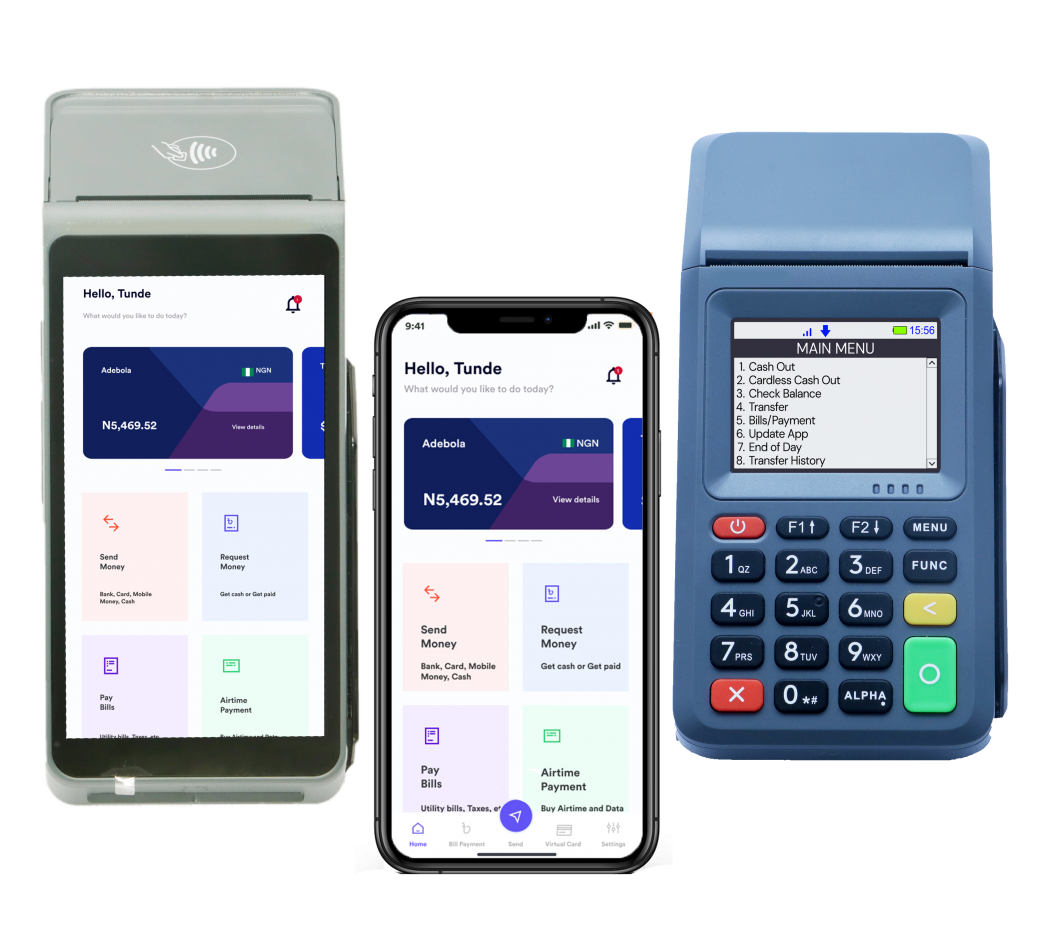


Merchant White label Solution

Merchant White label Solution

MFB v Agency Banking

What is the impact of white-label Agency Banking on Customer Data Security?

In the fast-evolving world of banking and finance, white-label agency banking has emerged as a powerful solution, enabling financial institutions to expand their reach and offer customizable banking services. However, with the increased use of technology and data, customer data security and privacy have become critical concerns. In this blog post, we will delve into the impact of white-label agency banking on customer data security and privacy. We will explore the measures financial institutions can implement to safeguard sensitive information while delivering a personalized banking experience.

What is White Label Agency Banking?

White-label agency banking enables banks to partner with third-party providers for branded banking services, reaching a broader customer base without in-house development. It offers cost-effectiveness and quicker market entry while requiring strong data security measures.

White-label agency banking allows financial institutions to collaborate with third-party providers to offer branded banking services to their customers. Through this partnership, banks can extend their services beyond traditional branches and cater to a wider customer base without the need for an office. White-label solutions provide a myriad of benefits, including cost-effectiveness and faster market entry. Additionally, they also necessitate robust data security measures.

Impact on Customer Data Security

  1. Data Encryption and Secure Transmission: Financial institutions leveraging white-label agency banking solutions must prioritize data encryption and secure transmission protocols. Implementing strong encryption ensures that customer data remains unintelligible to unauthorized users, both during storage and transmission.
  2. Identity Verification and Access Controls: Robust identity verification and access controls are vital to prevent unauthorized access to sensitive customer information. Multi-factor authentication and role-based access help restrict data access to authorized personnel only, reducing the risk of data breaches.
  3. Compliance with Data Protection Regulations: Financial institutions must adhere to relevant data protection regulations, such as GDPR, CCPA, or HIPAA, depending on their geographical location and the nature of the data collected. Compliance ensures that customer data is processed lawfully and transparently, enhancing customer trust.
  4. Regular Security Audits and Penetration Testing: Periodic security audits and penetration testing help identify vulnerabilities and weaknesses in the system. By proactively addressing these issues, financial institutions can stay ahead of potential threats and protect customer data from breaches.
  5. Vendor Due Diligence: Before partnering with a white-label agency banking provider, financial institutions should conduct thorough vendor due diligence. This process involves assessing the vendor’s security protocols, data handling practices, and compliance with industry standards.

Balancing Personalization and Privacy

White-label agency banking offers the advantage of customization, allowing financial institutions to tailor their services to meet individual customer needs. However, personalization must be balanced with privacy concerns. Here’s how financial institutions can achieve this balance:

  1. Anonymized Data for Personalization: Instead of storing personally identifiable information (PII) directly, financial institutions can use anonymized or aggregated data for personalization purposes. This approach preserves customer privacy while still providing a personalized experience.
  2. Transparent Data Handling Policies: Clearly communicate data handling policies to customers, outlining the types of data collected, how it is used, and the security measures in place. However, transparency fosters trust and empowers customers to make informed decisions about their data.
  3. Opt-In Personalization: Allow customers to opt-in for personalized services, respecting their preferences for data usage. Offering opt-in choices empowers customers and ensures that their privacy choices are honored.

Conclusion

White-label agency banking presents significant opportunities for financial institutions to expand their service offerings and provide personalized banking experiences. However, with this increased reliance on technology and data, ensuring customer data security and privacy is of utmost importance. By implementing robust data security measures, complying with data protection regulations, and maintaining transparency with customers, financial institutions can strike a balance between personalization and privacy. Safeguarding customer data not only builds trust and loyalty but also strengthens the overall resilience of the banking ecosystem.


Agency Banking and the Important Role of Retail Agents

In the ever-evolving landscape of banking and finance, agency banking has emerged as a game-changer. This blog post delves into the significance of agency banking and sheds light on the important role retail agents play in facilitating financial inclusion and reaching unbanked populations.

What is Agency Banking?

Agency banking refers to a model where traditional financial institutions collaborate with retail agents to deliver banking services to customers. However, these agents, typically small shopkeepers or business owners, act as an extension of the bank, enabling basic financial transactions in underserved areas.

The Role of Retail Agents

Expanded Reach: Retail agents serve as a vital link between banks and remote communities. They bring financial services closer to the customers, eliminating the need for them to travel long distances to access a bank branch.

Financial Inclusion: By offering banking services in rural and underserved areas, retail agents play a pivotal role in promoting financial inclusion. They empower the unbanked and underbanked population to become part of the formal financial system.

Basic Transactions: Retail agents facilitate various transactions such as cash deposits, withdrawals, funds transfers, utility bill payments, and more. This convenience enhances the overall banking experience for customers.

Customer Education: Retail agents not only perform transactions but also educate customers about banking products and services. Thus, this empowers customers to make informed decisions and use financial tools effectively.

Key Considerations for Effective Agency Banking:

Agent Selection: Most importantly, choosing the right retail agents is crucial. Banks must conduct thorough background checks and provide adequate training to ensure agents are trustworthy and competent.

Technology Infrastructure: Similarly, a robust technology infrastructure is essential for seamless transactions and secure data management. Embracing digital tools enhances the efficiency of agency banking.

Regulatory Compliance: Adherence to local regulations and compliance standards is non-negotiable. Banks and retail agents must operate within the legal framework to maintain the integrity of agency banking.

Risk Management: Developing risk mitigation strategies is essential to safeguard against potential fraud or security breaches. Regular audits and monitoring help identify and address vulnerabilities.

Incentive Structure: Designing an attractive incentive structure for retail agents encourages them to promote banking services actively and boosts overall performance.

The Future of Agency Banking:

Furthermore, as technology advances and the demand for financial services grows, agency banking is poised to witness significant growth. Mobile banking and digital solutions will further streamline operations and enhance customer experience.

Conclusion

Conclusively, agency banking, coupled with the pivotal role of retail agents, is transforming the face of banking by driving financial inclusion and accessibility. Finally, embracing agency banking with careful considerations of agent selection, technology, compliance, risk management, and incentives can lead banks to new heights in reaching the unbanked and fostering economic growth.

Mobile Money Agents

Challenges of White Label Agency Banking; Navigating Risks and Complexities

White-label agency banking has emerged as an innovative model to extend financial services, empowering individuals and businesses to act as representatives of financial institutions. While it offers numerous benefits, it is crucial to be aware of the potential challenges and risks involved in implementing this approach. In this blog post, we will explore the complexities of managing agent networks, ensuring compliance, maintaining security, and navigating competition to make white-label agency banking a successful venture.

Challenges of White Label Agency Banking

White-label agency banking empowers individuals and businesses to represent financial institutions, extending financial services. Despite its benefits, potential challenges and risks must be acknowledged. We will explore complexities in managing agent networks, ensuring compliance, maintaining security, and navigating competition to achieve success.

List of the Challenges of White Label Agency Banking

Managing Agent Network

A primary challenge in white-label agency banking lies in effectively managing agent networks. Recruiting, training, and retaining reliable agents require careful selection and continuous support. However, ensuring agents adhere to quality standards and offer consistent service levels across various locations can be demanding.

Compliance and Regulatory Concerns

Furthermore, white-label agency banking operates within a regulated environment, subject to financial regulations and consumer protection laws. Compliance with these regulations while offering innovative financial services requires continuous monitoring and adaptation. Non-compliance can lead to legal consequences and reputational damage.

Security Risks

Importantly, maintaining data security and preventing fraud are critical concerns in white-label agency banking. Agents handle sensitive customer information and financial transactions, making them potential targets for cyberattacks. Hence, robust security measures, regular audits, and training are essential to safeguard against breaches.

Competition and Market Saturation

Meanwhile, the popularity of white-label agency banking has led to increased competition among financial institutions and agents. Standing out in a competitive landscape requires differentiation, personalized services, and value-added offerings. Hence, market saturation can also limit growth opportunities, especially in densely covered areas.

Agent Performance and Incentives

Furthermore, ensuring agents perform optimally is crucial for success. Balancing commission structures, incentives, and performance evaluation to motivate agents while maintaining profitability can be challenging. However, incentive programs should align with the organization’s goals and encourage long-term customer relationships.

Technology and Infrastructure

However, reliable technology infrastructure is fundamental for seamless transactions and customer experiences. Therefore, implementing and maintaining such systems can be costly and time-consuming. Regular upgrades and technical support are necessary to keep pace with industry advancements.

Financial and Operational Risks

Ultimately, white-label agency banking involves financial risks, including liquidity management, transactional errors, and agent liquidity challenges. Therefore, operational risks such as system outages and agent fraud require proactive risk management strategies.

Conclusion

While white-label agency banking offers significant opportunities for financial inclusion and market expansion, it comes with its share of challenges and risks. Managing agent networks, ensuring compliance, maintaining security, navigating competition, and addressing technological and operational complexities are crucial for success. Proactive risk management, continuous monitoring, and strategic planning are essential to overcome these challenges and build a sustainable and thriving white-label agency banking ecosystem

Agency Banking Solution

White-Label Agency Banking: Empowering Retail Agents and Service Providers

Firstly, in the rapidly evolving world of financial services, white-label agency banking has emerged as a game-changing solution, creating new opportunities for retail agents and service providers. This innovative approach enables them to offer a wide range of banking services without the need for expensive infrastructure or licenses.

Benefits that white-label agency banking brings in the financial ecosystem.

  1. Expanded Service Portfolio:

Although they empowers retail agents and service providers to broaden their service portfolio significantly. By partnering with banks or financial institutions, they gain access to a suite of banking services, including account opening, deposits, withdrawals, funds transfer, bill payments, and more.

  1. Enhanced Revenue Streams:

However, for retail agents and service providers, white-label agency banking opens up new revenue streams. With the ability to offer banking services, they can earn commissions and transaction fees, increasing their income potential.

  1. Cost-Effective Setup:

Meanwhile,traditional banking operations require substantial investments in infrastructure, technology, and regulatory compliance. However, with white-label agency banking, retail agents and service providers can bypass these significant costs. They can leverage the existing banking infrastructure and technology of their partner institution, minimizing setup expenses and time.

  1. Increased Footfall and Customer Loyalty:

However, by offering banking services, retail agents and service providers attract a higher footfall to their establishments. Customers now have a convenient one-stop-shop for both retail products and financial services. This increased foot traffic can lead to improved customer engagement and loyalty, further boosting business growth.

  1. Access to Unbanked and Underbanked Customers:

Additionally, The white-label agency banking, plays a vital role in financial inclusion. Retail agents and service providers often operate in areas where traditional banks have limited reach. Through agency banking, they can bring essential financial services to the unbanked and underbanked population, fostering economic growth and development.

  1. Strengthened Branding Opportunities:

Finally, retail agents and service providers have the chance to create a stronger brand presence. They can customize the banking services under their own brand name, enhancing their visibility and reputation in the market. This branding opportunity helps build trust and credibility among customers.

Conclusion:

In conclusion white-label agency banking presents an array of advantages for retail agents and service providers. From broadening their service offerings and generating additional revenue to serving the unbanked population and strengthening their brand presence, finally this innovative approach has transformed the financial landscape for these crucial players.

White-Label Agency Banking for Financial Institutions: The Benefits

Firstly white-label agency banking has emerged as a game-changer for financial institutions, revolutionizing the way they reach customers and deliver services. By partnering with trusted agents, financial institutions can extend their reach to previously underserved areas.

The key benefits of white-label agency banking

  1. Expanded Customer Reach: One of the primary advantages of this is the ability to expand customer reach beyond traditional brick-and-mortar branches. By leveraging a network of authorized agents, financial institutions can establish presence in remote or underbanked regions. These agents act as intermediaries, enabling customers to access banking services such as account opening, deposits, withdrawals, and fund transfers.
  2. Cost-Effectiveness: Implementing white-label agency banking offers financial institutions significant cost advantages. Compared to building and maintaining physical branches, establishing an agent network is more economical. The costs associated with infrastructure, staffing, and operational expenses are reduced, allowing institutions to allocate resources more efficiently.
  3. Enhanced Brand Visibility: White-label provides financial institutions with a unique opportunity to enhance their brand visibility in the market. By partnering with agents who act as brand ambassadors, institutions can extend their presence into local communities. The agents represent the institution’s brand and deliver services on its behalf, reinforcing the institution’s reputation and building trust among customers.
  4. Improved Customer Convenience and Satisfaction: White-label agency banking brings banking services closer to the customers, offering unparalleled convenience and accessibility. With a network of agents in various locations, customers can perform banking transactions at their convenience, often without the need for long queues or waiting times.

Conclusion

In conclusion, incorporating white-label agency banking into their operations allows financial institutions to unlock a multitude of benefits. Finally, from expanding customer reach and achieving cost efficiencies to enhancing brand visibility, This is a strategic solution that aligns with the evolving needs of the modern financial landscape. By leveraging this innovative approach, institutions can position themselves for growth.

Types of Financial Institutions Benefiting from White-Label Agency Banking: Exploring Opportunities for Growth

Types of Financial Institutions Benefiting from White-Label Agency Banking

White-label agency banking enables various financial institutions to extend services and reach underserved markets. From traditional banks to credit unions, microfinance, and non-bank institutions, we’ll explore how they benefit and drive growth through agency banking.

White-label agency banking has emerged as a transformative solution that enables various types of financial institutions to extend their services and reach underserved markets. From traditional banks to credit unions, microfinance institutions, and non-bank financial institutions, we will explore the Financial Institutions Benefiting from White-Label Agency Banking. Hence, we will explore how different financial institutions can leverage white-label agency banking to drive growth, expand their services, and tap into new market segments.

Banks

Traditional Banks

Meanwhile, established banks can benefit from white-label agency banking by leveraging a network of retail agents to reach customers in remote areas. This allows them to extend their service offerings, build brand presence, and capture new market segments.

Challenger Banks

Challenger banks can leverage white-label agency banking to rapidly expand their reach without the need for extensive branch networks. Therefore, this enables them to provide convenient banking services to customers and compete with traditional banks more effectively.

Credit Unions

Additionally, Credit unions can utilize white-label agency banking to extend their financial services to members in areas where establishing physical branches may not be feasible or cost-effective. Therefore, this approach enhances member convenience and allows credit unions to deepen their relationships with members through personalized services.

Microfinance Institutions

Furthermore, microfinance institutions (MFIs) can leverage white-label agency banking to enhance their reach and impact in underserved communities. However, by partnering with retail agents, MFIs can provide basic financial services. Examples of these include savings accounts, micro-loans, and money transfers, in a more cost-efficient and scalable manner.

Non-Bank Financial Institutions

Non-bank financial institutions, including payment service providers, fintech companies, and MMOs, can benefit from white-label agency banking. They can use it to diversify their service offerings. However, by incorporating agency banking capabilities, they can extend beyond their core services. Similarly, they can provide customers with access to banking services, driving customer loyalty and increasing revenue streams

Benefits and Considerations

  • Enhanced Reach: White-label agency banking allows financial institutions to extend their reach to underserved areas and previously unbanked populations, fostering financial inclusion.
  • Cost Efficiency: Partnering with retail agents instead of establishing physical branches reduces overhead costs, making agency banking a cost-effective expansion strategy.
  • Regulatory Compliance: Financial institutions must navigate the regulatory landscape to ensure compliance with agency banking regulations in their respective jurisdictions.
  • Branding and Customer Experience: Financial institutions must maintain consistent branding and ensure a seamless customer experience throughout the agency banking process.

Conclusion

Conclusively, White-label agency banking presents an array of opportunities for different types of financial institutions. They allow them to expand their services, reach new customers, and drive growth. Whether it’s traditional banks, credit unions, microfinance institutions, or non-bank financial institutions, leveraging white-label agency banking can be a game-changer. By partnering with retail agents, these institutions can provide convenient and accessible financial services. Similarly, they can extend their brand presence, and tap into new market segments. As financial institutions adapt to the changing landscape, embracing white-label agency banking offers a pathway to sustained growth. At the same time, it offers innovation, and increased customer satisfaction.

Agency Banking Solution

Exploring the Differences between White-Label Agency Banking and Traditional Agency Banking

Firstly, white-label agency banking and traditional agency banking are two distinct approaches to providing banking services. In this blog post, we will explore the differences between these two models, highlighting their unique features, benefits, and considerations. By understanding the disparities, you can make informed decisions about which approach aligns best with your business goals and requirements.

Features, benefits, and considerations of White-label agency banking and traditional agency banking.

Definition and Concept

White-label agency banking refers to a model where a financial institution partners with another entity, allowing them to offer banking services under its own brand. In contrast, traditional agency banking involves a financial institution appointing agents to provide banking services on their behalf.

Ownership and Branding

Additionally, it empowers the partner entity to build its own brand and market the services as its own. The partner entity maintains ownership of the customer relationship, enabling them to establish a distinct identity in the market. On the other hand, the agents operate under the branding and ownership of the financial institution they represent.

Flexibility and Customization

Moreover, white-label agency banking offers greater flexibility and customization options. The partner entity can tailor the services to meet the specific needs of its target market. They can choose the features, user interface, and branding elements to create a unique customer experience. Traditional agency banking, on the other hand, follows a standardized approach set by the financial institution, leaving limited room for customization.

Scalability and Reach

However white-label agency banking allows the partner entity to leverage their existing customer base and distribution channels. They can expand their reach by integrating banking services seamlessly into their existing products or services. Traditional agency banking relies on a network of appointed agents, which may limit the geographical reach and scalability potential.

Regulatory Considerations

Lastly, Both white-label agency banking and traditional agency banking are subject to regulatory compliance. However, white-label agency banking may involve additional compliance requirements as the partner entity takes on a more active role in managing the customer relationship. It is essential to ensure that all regulatory obligations are met to maintain a secure and compliant banking environment.

Conclusion:

In summary, they both offer distinct approaches to providing banking services. Although white-label agency banking provides greater branding freedom, customization options, and scalability potential, enabling the partner entity to establish its own identity in the market. Finally, traditional agency banking follows a standardized approach and relies on a network of agents appointed by the financial institution.

MFB v Agency Banking

Digital Transformation in Agency Banking: Exploring Opportunities and Challenges

Digital transformation has revolutionized the banking industry, and agency banking is no exception. This blog post delves into the opportunities and challenges that arise from the digital transformation of agency banking. Therefore, by embracing technological advancements, financial institutions, agents, and customers can unlock new possibilities for convenience, efficiency, and financial inclusion.

Expanding Financial Access through Technology:

Digital transformation in agency banking opens doors to broader financial access. Technology-driven solutions such as mobile banking apps, agent banking platforms, and biometric identification systems allow customers to perform transactions anytime, anywhere. This increased accessibility enables individuals in remote areas and underserved communities to overcome geographical barriers and access essential financial services.

Empowering Agency Banking Agents:

Consequently, digital transformation empowers agency banking agents to serve customers more efficiently. With the aid of digital tools and training, agents can offer a wider range of services, including account opening, cash deposits and withdrawals, fund transfers, and bill payments. The automation of routine tasks enhances agent productivity, reduces errors, and allows them to focus on building customer relationships and providing personalized financial advice.

Enhancing Customer Experience and Convenience:

Technology-driven advancements elevate the customer experience in agency banking. Therefore, digital channels provide self-service options, allowing customers to conduct transactions at their convenience. Mobile banking apps and online platforms offer real-time access to account information, transaction history, and personalized financial insights. Furthermore, digital payment solutions enable seamless and secure transactions, reducing the reliance on cash-based transactions.

Strengthening Data Security and Fraud Prevention:

Additionally, digital transformation brings new challenges in terms of data security and fraud prevention. Financial institutions must invest in robust cybersecurity measures to protect sensitive customer information and prevent unauthorized access. Implementing multi-factor authentication, encryption protocols, and real-time fraud detection systems ensures the integrity and confidentiality of customer data, building trust in digital agency banking platforms.

Overcoming Infrastructure and Connectivity Challenges:

Similarly, digital transformation in agency banking heavily relies on robust technological infrastructure and reliable connectivity. Deploying adequate network coverage, expanding internet access, and investing in secure communication channels are crucial for the success of digital agency banking initiatives. Thus, collaboration between financial institutions, technology providers, and telecommunications companies plays a vital role in addressing infrastructure challenges and bridging the digital divide.

Conclusion:

Finally, digital transformation has reshaped agency banking, offering unprecedented opportunities for financial inclusion, convenience, and efficiency. Therefore, by embracing technology, financial institutions, agents, and customers can reap the benefits of a digital ecosystem. However, challenges such as data security, infrastructure limitations, and connectivity gaps must be addressed for sustainable digital agency banking. The future of agency banking lies in striking a balance between embracing innovation and addressing the evolving needs of customers and agents.

Empowering Economic Growth and Financial Inclusion In Agency Banking

Financial Inclusion in Agency Banking

In an era of digital transformation, agency banking has emerged as a powerful tool for empowering economic growth and financial inclusion. By leveraging technology and strategic partnerships, agency banking enables individuals to access basic financial services conveniently. This blog post delves into the significant role agency banking plays in fostering economic growth, empowering individuals, and bridging the gap in society.

Bridging the Financial Access Gap

With agency banking, financial institutions extend their reach beyond brick-and-mortar branches to remote areas and underserved communities. This expansion effectively bridges the financial access gap by bringing basic banking services closer to the unbanked and underbanked populations. Through a network of agents, agency banking enables individuals to open bank accounts, deposit and withdraw funds, and access other essential financial services

Empowering Micro-Entrepreneurs and Small Businesses

One of the key drivers of economic empowerment is the ability to engage in business activities and gain financial independence. Agency banking empowers micro-entrepreneurs and small businesses by providing them with access to financial tools and services. With the support of agency banking agents, these entrepreneurs can access working capital loans, and make electronic transactions. Thus, this empowerment fosters economic growth, job creation, and entrepreneurship in local communities.

Enhancing Financial Literacy and Inclusion

Most importantly, agency banking goes beyond providing access to financial services; it also plays a crucial role in enhancing financial inclusion and literacy. Through agent-assisted transactions, individuals gain knowledge about basic financial concepts, such as budgeting, savings, and managing personal finances. Consequently, this increased financial literacy empowers individuals to make informed decisions, improve their economic well-being, and contribute to the overall growth of their communities.

Strengthening the Formal Economy

Agency banking promotes the transition from informal to formal economic activities. Similarly, by bringing previously unbanked individuals into the formal banking system, it helps to establish a transparent and accountable financial ecosystem. Thus, this transition allows individuals to build credit histories, access loans, and credit facilities, and engage in secure financial transactions. However, the strengthening of the formal economy leads to increased tax revenues, improved regulation, and a more stable economic environment.

Overcoming Challenges and Ensuring Sustainability

Furthermore, while agency banking offers numerous benefits, it also faces challenges that need to be addressed for long-term sustainability. Hence, issues such as agent liquidity management, technology infrastructure, and regulatory frameworks require continuous attention. Collaborative efforts between financial institutions, regulators, and technology providers are essential to overcome these challenges and ensure the growth and sustainability of agency banking initiatives.

Conclusion

Finally, Agency banking has become a game-changer in terms of empowering economic growth and financial inclusion. By leveraging technology and innovative partnerships, agency banking extends the reach of financial services to the unbanked and underbanked populations. Thus, leads to the empowerment of individuals and drives economic growth in society. Therefore, as the world continues to embrace digital transformation, agency banking stands as a beacon of hope, creating opportunities for economic empowerment.

Digital Transformation in Agency Banking: Exploring Opportunities and Challenges

Digital Transformation in Agency Banking

Digital transformation has become a driving force across various industries, and agency banking is no exception. Hence, the convergence of technology and financial services has opened up a world of opportunities and challenges for agency banking. In this blog post, we will delve into the realm of its basis and examine the opportunities it presents. Similarly, the challenges that financial institutions and retail agents may encounter along the way. Discover how embracing digital transformation can revolutionize this modern banking landscape and benefit both customers and service providers.

Understanding Digital Transformation in Agency Banking

Digital transformation in agency banking involves integrating technology like mobile banking, digital platforms, data, and biometrics to streamline processes. Similarly, to enhance customer experience, and extend financial services to underserved populations. This empowers customers with convenient, secure banking while enabling institutions and agents to operate more efficiently.

Opportunities of Digital Transformation in Agency Banking

Financial Inclusion

However, digital transformation opens doors for greater financial inclusion, especially in underserved areas. By leveraging mobile banking and digital platforms, agency banking can reach individuals who previously had limited access to formal financial services, empowering them with banking solutions and helping bridge the financial inclusion gap.

Enhanced Customer Experience

However, technology-driven agency banking offers customers seamless and user-friendly experiences. With mobile apps, biometric authentication, and personalized services, customers can conveniently access a wide range of financial products, conduct transactions, and obtain account information anytime, anywhere, resulting in higher satisfaction and loyalty.

Operational Efficiency

Similarly, digital tools enable financial institutions and retail agents to streamline their operations and optimize processes. Automated transaction processing, digital documentation, and data analytics contribute to increased operational efficiency, reduced paperwork, faster turnaround times, and improved cost-effectiveness.

Expanded Product Offerings

Additionally, digital transformation facilitates the introduction of new products and services. With data analytics and customer insights, financial institutions can develop tailored solutions, such as microfinance, insurance, and investment options, that cater to the specific needs and preferences of customers within the agency banking ecosystem.

Challenges of Digital Transformation in Agency Banking

Technological Infrastructure

On the other hand, implementing digital transformation requires robust technological infrastructure, including reliable internet connectivity and secure systems. Overcoming infrastructure challenges in remote or underdeveloped areas may pose hurdles to the widespread adoption of digital agency banking solutions.

Security and Fraud Prevention

Meanwhile, as digital transactions increase, ensuring robust security measures and fraud prevention mechanisms becomes paramount. Financial institutions and retail agents must invest in secure technologies, encryption protocols, and authentication methods to safeguard customer data and financial transactions.

Digital Literacy and Adoption

Furthermore, bridging the digital divide is crucial for the success of digital agency banking. Educating and promoting digital literacy among customers and retail agents is necessary to enhance adoption and ensure they can leverage the technology effectively.

Regulatory and Compliance Considerations

Finally, digital transformation in agency banking brings forth regulatory and compliance challenges. Financial institutions and retail agents must navigate evolving regulations and data protection laws while maintaining compliance with the changing landscape of digital financial services.

Conclusion

Conclusively, digital transformation presents immense opportunities for modernized banking, revolutionizing the way financial services are delivered and experienced. By embracing technology, financial institutions, and retail agents can expand their reach, enhance customer experiences, streamline operations, and offer innovative products and services. However, challenges related to technology infrastructure, security, and compliance must be addressed to realize the full potential of digital transformation in agency banking. As the industry evolves, this transformation will continue to shape the agency banking landscape, creating a more inclusive, efficient, and customer-centric ecosystem

×

Hello!

Click one of our contacts below to chat on WhatsApp

×