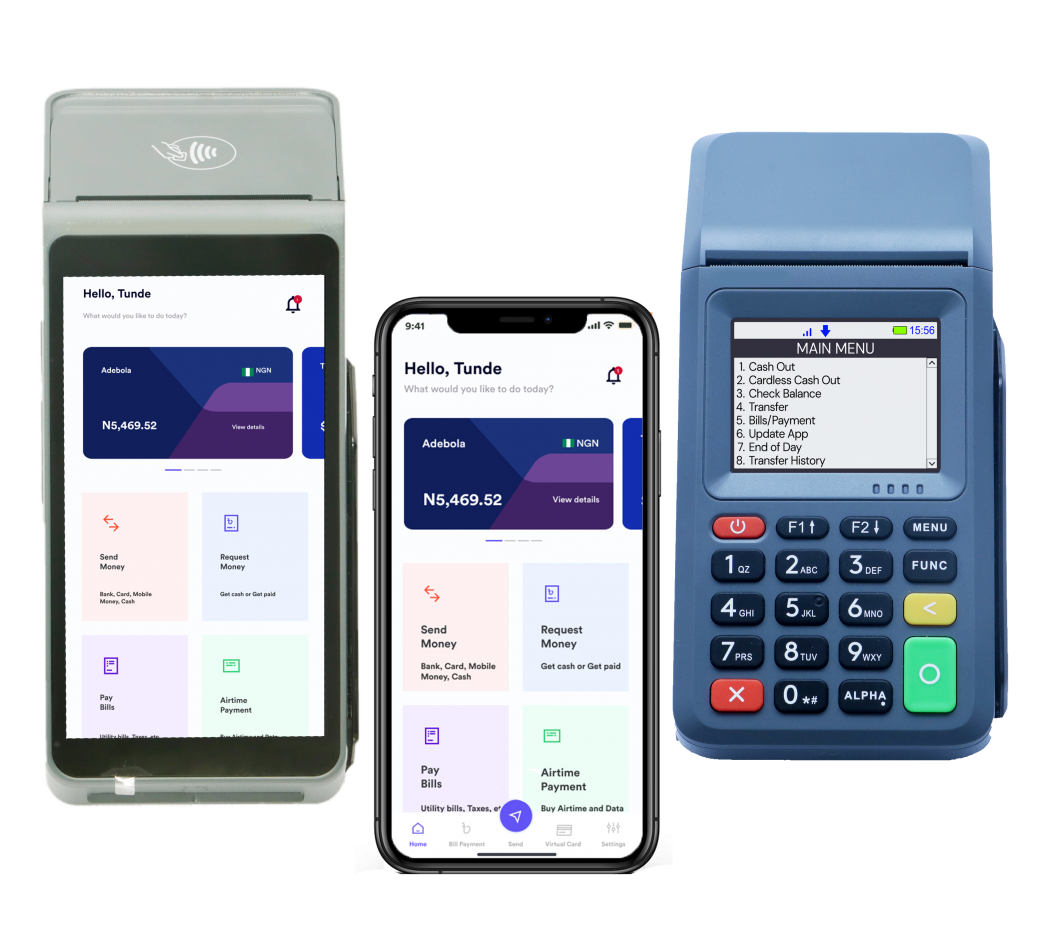

Merchant White label Solution

Merchant White label Solution

How to Start an Agency Banking Business for Success in Nigeria

How to Start Agency Banking in Nigeria

Learn how to start an agency banking business in the financial industry. Our comprehensive guide covers obtaining licenses, building an agent network, and implementing effective marketing strategies for success. Expand financial inclusion and provide banking services to underserved communities.

Starting an agency banking business can be a rewarding venture in the financial industry. By leveraging a network of agents, you can provide banking services to underserved communities and expand financial inclusion. In this blog post, we will provide a comprehensive guide on how to start an agency banking business. From obtaining the necessary licenses to building an agent network and implementing effective marketing strategies, we will cover the essential steps for a successful agency banking venture.

Research and Planning

To begin with, before launching your agency banking business, thorough research and planning are crucial. Hence, understand the regulatory landscape, market demand, and competition in your target area. Define your target customer segment and identify the banking services you plan to offer. Create a solid business plan that outlines your goals, strategies, and financial projections.

Licensing and Regulatory Compliance

However, to operate an agency banking business, you will need to comply with specific licensing and regulatory requirements. Research the regulations applicable to your region and ensure you meet all the criteria. Obtain the required licenses and permits, and comply with reporting and auditing obligations to maintain regulatory compliance.

Building an Agent Network

In addition, a strong agent network is the backbone of an agency banking business. Recruit agents who are reliable, trustworthy, and well-connected within the community. Provide comprehensive training to agents on banking processes, security protocols, and customer service. Therefore, establish a robust agent management system to monitor performance, resolve issues, and provide ongoing support.

Technology Platform Selection

Similarly, selecting the right technology platform is crucial for efficient operations and seamless customer experience. Then, choose a platform that offers secure transactions, real-time monitoring, and a user-friendly interface. Consider factors such as scalability, integration capabilities with banking systems, and customer support when evaluating different technology providers.

Marketing and Customer Acquisition

Furthermore, develop a strategic marketing plan to raise awareness of your agency banking business and attract customers. Leverage various marketing channels such as digital advertising, social media, local community events, and partnerships with local businesses. Highlight the convenience, accessibility, and benefits of your services to target customers needing banking solutions.

Conclusion:

Starting an agency banking business requires careful planning, compliance with regulations, and a focus on building a strong agent network. Most importantly, following the steps outlined in this guide can lay a solid foundation for success in the agency banking industry. Embrace the opportunity to expand financial inclusion, provide essential banking services, and contribute to the economic growth of underserved communities. Finally, start your journey to a successful agency banking business and make a positive impact in the financial services sector.


The Impact of Agency Banking on Customer Experience

In the ever-evolving landscape of financial services, agency banking has emerged as a game-changer, revolutionizing customer experience and satisfaction. This innovative approach brings financial services closer to customers, offering convenience, accessibility, and personalized interactions. In this blog post, we will delve into the impact of agency banking on customer experience and satisfaction. We will explore the benefits it brings, the challenges faced, and strategies for leveraging agency banking to enhance customer interactions and promote financial inclusion.

The Evolution of Customer Experience in Agency Banking

Agency banking has transformed the traditional customer experience by bridging the gap between financial institutions and underserved populations. Here’s how agency banking impacts customer experience:

  1. Enhanced Convenience: Agency banking brings banking services to customers’ doorsteps, eliminating the need for them to travel long distances or wait in long queues at traditional bank branches. Customers can conduct transactions, such as deposits, withdrawals, and transfers, conveniently through nearby retail agents.
  2. Personalized Interactions: Agency banking fosters more personalized interactions between customers and retail agents. Similarly, agents are often members of the local community, providing a familiar face and a trusted relationship. Hence, this personalized approach enhances customer satisfaction and builds a sense of trust and loyalty.
  3. Accessibility for the Unbanked: Agency banking plays a pivotal role in promoting financial inclusion by extending banking services to previously unbanked or underbanked individuals. It enables them to open accounts, access loans, and benefit from other financial services that were previously out of reach, empowering them economically.
  4. Technology-driven Convenience: However, with the integration of technology, agency banking has become even more convenient. Mobile-based agency banking solutions allow customers to access banking services through their smartphones, making transactions easier and more accessible anytime, anywhere.

Challenges and Strategies for Maximizing Customer Satisfaction

While agency banking brings significant benefits to customer experience, it is not without its challenges. Here are some challenges and strategies for maximizing customer satisfaction:

  1. Agent Training and Quality Assurance: Meanwhile, ensuring that retail agents are well-trained and equipped to provide excellent customer service is crucial. Regular training sessions, quality assurance checks, and feedback mechanisms can help maintain service standards and address any gaps.
  2. Technological Reliability: On the other hand, robust technological infrastructure is essential for seamless transactions and data security. Financial institutions must invest in reliable systems and continuously monitor and upgrade them to deliver a smooth customer experience.
  3. Customer Education and Awareness: Educating customers about the benefits and functionalities of agency banking is vital. Clear and concise communication, user-friendly guides, and interactive demonstrations can empower customers to utilize agency banking services effectively.
  4. Continuous Improvement: Soliciting feedback from customers and actively implementing improvements based on their suggestions helps enhance the overall customer experience. Regularly evaluating processes, technologies, and agent performance ensures that agency banking continually evolves to meet customer expectations.

Conclusion

Conclusively, agency banking has revolutionized customer experience and satisfaction by bringing financial services closer to customers’ daily lives. The convenience, personalized interactions, and accessibility it offers have transformed the way individuals and communities engage with banking services. By addressing challenges through agent training, technological advancements, customer education, and continuous improvement, financial institutions can maximize customer satisfaction and foster long-term loyalty. Therefore, embracing agency banking as a customer-centric approach contributes to financial inclusion, empowerment, and a brighter future for individuals and communities worldwide

Mobile Technology

The Role of Mobile Technology in Driving Agency Banking

Firstly, mobile technology has emerged as a game-changer in various industries, and the world of banking is no exception. Furthermore, with the rise of mobile technology and agency banking, the convergence of mobile devices and financial services has opened up new possibilities for millions of unbanked individuals worldwide.

Role of Mobile Technology in Driving Agency Banking

What is Agency Banking?

Agency banking refers to a model where financial institutions partner with local agents or representatives to extend their banking services to remote or underbanked areas. Therefore, these agents act as intermediaries between customers and banks.

Empowering Agents with Mobile Devices

Moreover, mobile devices, such as smartphones and tablets, equip agents with the necessary tools to conduct banking transactions on behalf of the financial institution. These devices are loaded with secure banking applications that facilitate seamless communication with the bank’s backend systems.

Enhancing Customer Accessibility

On the other hand, mobile technology brings banking services closer to customers, especially those residing in underserved regions. Through mobile banking applications or USSD codes, customers can access basic banking services using their mobile phones.

Future Outlook

Lastly, the integration of mobile technology with agency banking has already made significant strides, but the future holds even greater potential. As smartphones become more affordable and internet connectivity improves, the adoption of mobile banking is expected to skyrocket.

Advantages of Mobile Technology in Agency Banking:

Cost Efficiency

However, implementing agency banking with mobile technology significantly reduces the infrastructure costs associated with establishing physical bank branches. Similarly, this cost efficiency allows financial institutions to expand their reach and offer services in remote areas without substantial investments.

Scalability

Furthermore, it enables financial institutions to scale their agency banking operations rapidly. Agents can quickly reach out to a wider customer base, expanding the institution’s presence and impact.

Security

Meanwhile, robust security measures, such as encryption and multi-factor authentication, are embedded in mobile banking applications. Hence, these measures protect customer data and transactions, ensuring secure financial services for all.

Conclusion

In conclusion, Mobile technology’s role in driving agency banking cannot be overstated. By empowering agents with mobile devices and providing customers with accessible banking services, this technology bridges the gap between financial institutions and underserved communities.

Mobile Technology

What is a White-label Payment Solution?

In today’s digital age, businesses are constantly seeking efficient and customizable solutions to meet their customers’ payment needs. Enter the white-label payment solution—a powerful tool that allows businesses to offer branded payment services without the hassle of building their own payment infrastructure. In this blog post, we will delve into the concept of a white-label payment solution, explore its benefits, and discuss how it can streamline your business operations while enhancing customer experience.

What is a White Label Payment Solution?

A white-label payment solution refers to a ready-made payment platform developed by a third-party provider. This solution enables businesses to rebrand the payment service as their own, incorporating their logo, and branding elements. Essentially, it allows businesses to offer payment services under their own brand without investing in extensive development or maintaining their own payment infrastructure.

Benefits of a White Label Payment Solution

Customizable Branding

With the model, you can showcase your brand identity and provide a seamless payment experience to your customers. By incorporating your logo, colors, and design elements, you create a consistent and recognizable brand presence throughout the payment process

Time and Cost Efficiency

Furthermore, building a payment infrastructure from scratch can be time-consuming and expensive. However, with a white-label solution, you save valuable development time and costs by leveraging an existing, proven payment platform. Therefore, this enables you to focus on your core business while quickly implementing a robust payment system.

Enhanced Customer Experience

However, a seamless and branded payment experience enhances customer trust and satisfaction. The model ensures a consistent brand experience from the moment customers initiate a payment until the transaction is completed, fostering loyalty and repeat business.

Scalability and Flexibility

Additionally, as your business grows, this model can easily scale with your needs. Whether you’re processing a few transactions or thousands, the solution can handle the volume and adapt to your evolving requirements, ensuring a smooth payment process for your customers.

Security and Compliance

On the other hand, reputable providers of this model prioritize security and compliance. They adhere to stringent industry standards, including data encryption, fraud prevention measures, and regulatory compliance, ensuring the safety of sensitive customer information and transactions.

Implementing a White Label Payment Solution

Research and Choose a Reliable Provider

Conduct thorough research to identify reputable white-label payment providers. Meanwhile, consider factors such as their track record, security measures, features, pricing, and customer support. Choose a provider that aligns with your business requirements and long-term goals.

Integration and Customization

Meanwhile, work closely with the chosen provider to integrate the model into your existing systems. Therefore, customize the solution to reflect your brand identity, ensuring a consistent user experience for your customers.

Test and Launch

Before launching the solution to the public, rigorously test its functionality, security, and user experience. Furthermore, conduct thorough testing to identify and resolve any potential issues. Once satisfied with the results, launch the model and monitor its performance closely.

Conclusion

Conclusively, white-label payment solution offers businesses a convenient and efficient way to offer branded payment services to their customers. By leveraging an existing, customizable platform, businesses can enhance their brand presence, streamline payment processes, and provide a seamless customer experience. However, embracing the new model saves time and costs, allows for scalability, and ensures security and compliance. Finally, consider implementing a white-label payment solution to unlock the full potential of your payment services while strengthening your brand in the market.

Effective Strategies and Techniques to Promote Agency Banking Services

Promote Your Agency Banking Services


Promoting your agency banking services is vital for attracting customers and driving adoption. In this blog post, we will explore effective strategies to increase visibility and awareness, from compelling marketing campaigns to leveraging digital channels and building strong customer relationships

Understand Your Target Audience

However, before diving into promotion, it’s crucial to understand your target audience. Identify the demographics, needs, and preferences of your potential customers. Meanwhile, consider factors such as location, income level, financial literacy, and banking habits. Therefore, this knowledge will help you tailor your efforts to promote your agency banking services to resonate with your target audience effectively.

Craft a Compelling Value Proposition

On the other hand, develop a strong value proposition that highlights the unique benefits of your agency banking services. Similarly, clearly communicate how your offerings address customers’ pain points and provide convenience, accessibility, and financial empowerment. Use compelling language and create a compelling tagline or slogan that captures the essence of your value proposition.

Implement Multi-Channel Marketing

Meanwhile, utilize a combination of traditional and digital marketing channels to reach a wider audience. Similarly, traditional methods like print ads, radio spots, and billboards can still be effective in certain markets. However, digital channels offer immense potential for targeted and cost-effective promotion. Leverage social media platforms, email marketing, search engine optimization (SEO), and content marketing to increase your agency banking services’ visibility.

Create Engaging Content

Develop engaging content that educates and informs your audience about the benefits of agency banking. Publish blog posts, articles, and guides that highlight the convenience, security, and financial inclusion aspects of your services. Use visual content such as infographics and videos to make your message more appealing and shareable. Focus on addressing common concerns and providing solutions that position your agency banking services as a reliable and trusted option.

Leverage Influencer Marketing

Additionally, partner with influencers, industry experts, or local community leaders who can endorse and promote your agency banking services. Collaborate with them to create content, share their experiences with your services, and offer exclusive promotions or discounts to their followers. Therefore, influencer marketing can help you tap into new customer segments and build trust with potential customers.

Offer Incentives and Rewards

Meanwhile, create attractive incentives and rewards programs to encourage customers to adopt your agency banking services. This could include waived fees for the first few transactions, cashback rewards, or referral bonuses. Incentives not only attract new customers but also motivate existing customers to actively promote your services within their networks.

Build Strong Customer Relationships

Focus on building strong relationships with your customers by providing excellent customer service and personalized experiences. Train your staff to be knowledgeable, friendly, and responsive to customer inquiries and concerns. Therefore, encourage feedback and actively address any issues raised by customers. Happy customers become brand advocates to promote your agency banking services through word-of-mouth.

Measure and Optimize

Additionally, regularly monitor and analyze your promotion efforts to understand what’s working and what needs improvement. Utilize analytics tools to track key metrics such as website traffic, conversion rates, and customer engagement. Therefore, make data-driven decisions to optimize your campaigns, channels, and messaging for better results.

Conclusion

Conclusively, promoting your Agency banking services requires a well-rounded approach that combines compelling marketing campaigns, digital channels, and strong customer relationships. By understanding your target audience, crafting a compelling value proposition, and implementing multi-channel strategies, you can increase the visibility and adoption of your agency banking services. Remember to create engaging content, leverage influencer marketing, offer incentives, and build strong customer relationships to maximize your promotion efforts. Finally, always measure and optimize your campaigns to achieve long-term success in promoting your agency banking services.

Pros and Cons of Outsourcing Agency Banking Operations

Outsourcing has become a popular strategy for businesses across various industries, including the banking sector. However, In the context of agency banking operations, outsourcing refers to the practice of entrusting critical functions to external partners. This blog post provides a comprehensive analysis of the pros and cons associated with outsourcing Agency Banking Operations. By examining the benefits and potential risks, we aim to help financial institutions make informed decisions regarding this strategic approach.

Understanding Outsourcing Agency Banking Operations

This model involves collaborating with third-party service providers to handle specific functions within the agency banking framework. These functions can include customer onboarding, transaction processing, technology infrastructure management, customer support, and compliance-related activities. By outsourcing these operations, financial institutions aim to streamline processes, enhance efficiency, and focus on core competencies.

The Pros of Outsourcing Agency Banking Operations

Cost Savings

Moreover, outsourcing agency banking operations can lead to significant cost savings. Financial institutions can eliminate the need to invest in additional infrastructure, technology, and human resources. By leveraging the economies of scale and expertise of outsourcing partners, banks can reduce operational costs while maintaining service quality.

Access to Specialized Skills and Expertise

Meanwhile, partnering with specialized outsourcing providers grants access to a pool of skilled professionals with domain expertise in agency banking operations. These providers often have extensive experience and knowledge in handling complex banking processes, compliance requirements, and emerging technologies. Therefore, leveraging their expertise can lead to improved operational efficiency and service delivery.

Scalability and Flexibility

Furthermore, outsourcing allows financial institutions to scale their operations more easily. During periods of increased demand or business expansion, outsourcing partners can provide the necessary resources and support, ensuring seamless service delivery without significant internal disruptions. Additionally, outsourcing agreements can offer flexibility in adjusting service levels based on changing business requirements.

The Cons of Outsourcing Agency Banking Operations

Loss of Control and Oversight

On the other hand, entrusting critical functions to external partners means relinquishing some degree of control and oversight. Financial institutions may have limited visibility and influence over day-to-day operations, which could impact quality, compliance, and customer experience. Consequently, effective vendor management and robust service-level agreements are essential to mitigate this risk.

Security and Data Privacy Risks

Additionally, this model involves sharing sensitive customer data and confidential information with third-party service providers. Financial institutions must ensure robust data security measures, confidentiality agreements, and compliance with relevant data protection regulations to safeguard customer trust and prevent security breaches.

Dependency on External Partners

Moreover, relying heavily on outsourcing partners for critical functions can create a dependency that carries its own risks. If the outsourcing provider faces challenges, financial institutions may experience disruptions in service, delays in issue resolution, or difficulty transitioning to alternative providers. Therefore, contingency plans and contractual safeguards can help mitigate these risks.

Conclusion

Conclusively, this model can offer significant benefits, including cost savings, access to specialized skills, and scalability. However, financial institutions must carefully weigh these advantages against the potential drawbacks, such as loss of control and security risks. Consequently, due diligence, robust vendor management, and clear communication are crucial in establishing successful outsourcing relationships. Ultimately, the decision to outsource agency banking operations should align with the institution’s strategic goals, risk appetite, and ability to strike a balance between efficiency gains and mitigating potential risks.

Mobile Money Agents

Agency Banking: A Game-Changer for Small Businesses

Agency Banking: Revolutionizing Financial Services for Small Businesses

In today’s competitive business landscape, agency banking has emerged as a game-changer, especially for small businesses. This innovative approach to banking offers a range of financial services tailored to the specific needs of small enterprises. In this blog post, we will delve into the concept of agency banking and how it is revolutionizing financial services for small businesses. Discover the benefits, opportunities, and inspiring success stories of leveraging agency banking to empower small businesses and drive economic growth.

What is Agency Banking?

Agency banking involves financial institutions partnering with local retail agents to provide financial services to underserved areas, extending accessibility beyond traditional branches. Services include cash deposits, withdrawals, fund transfers, account management, and credit facilities for small businesses in remote or disadvantaged regions

Agency banking refers to a model where financial institutions partner with local retail agents to provide financial services to customers, including small businesses, in underserved areas. However, by collaborating with these agents, banks extend their services beyond traditional branches. Similarly, they make them more accessible to small businesses in remote or economically disadvantaged regions. The services offered through agency banking include cash deposits, withdrawals, fund transfers, account management, and even access to credit facilities.

Benefits of Revolutionizing Financial Services for Small Businesses

Accessibility

However, agency banking brings financial services closer to small businesses operating in remote or underserved areas. By partnering with local retail agents, small businesses can access banking services conveniently. Likewise, without the need to travel long distances or incur additional expenses. This accessibility promotes financial inclusion and creates equal opportunities for businesses regardless of their geographical location.

Cost-Effectiveness

For small businesses, agency banking presents a cost-effective alternative to traditional banking channels. Therefore, it eliminates the need for establishing and maintaining physical branches, reducing overhead costs. Furthermore, small businesses can conduct their financial transactions through local retail agents. Similarly, saving time and money while focusing on their core operations.

Tailored Services

Agency banking helps in revolutionizing financial services for small businesses. Financial institutions understand the requirements of small enterprises, such as access to working capital, short-term loans, and flexible payment solutions. Therefore, by offering personalized services, agency banking becomes a valuable resource for small businesses to thrive and grow.

Success Stories and Opportunities

Increased Financial Inclusion

Importantly, agency banking has played a significant role in increasing financial inclusion for small businesses globally. Success stories abound, where small enterprises have gained access to formal financial services for the first time. Consequently, this has enabled them to expand their operations, invest in new equipment, and hire additional staff. Therefore, increased financial inclusion leads to economic growth, job creation, and enhanced opportunities for small businesses in emerging markets.

Technology-driven Solutions

However, the integration of technology into agency banking has opened up new opportunities for small businesses. Mobile banking apps, digital payment systems, and online platforms have simplified financial transactions, making them more efficient for small enterprises. These technological advancements empower small businesses with convenient and accessible banking solutions, fostering their growth and competitiveness.

Collaboration with Fintech Innovators

Furthermore, collaborations between financial institutions and fintech innovators have further enhanced the impact of agency banking on small businesses. Fintech companies bring expertise in digital technologies, data analytics, and innovative product offerings. By partnering with these innovators, financial institutions can provide small businesses with cutting-edge financial solutions. Some of such solutions involve, online lending platforms, cash flow management tools, and customized financial planning services.

Conclusion

Agency banking is undoubtedly a game-changer for small businesses, offering tailored financial services, increased accessibility, and cost-effectiveness. As financial institutions continue to embrace agency banking models, small businesses can leverage these services. Consequently, it will enable them to thrive, grow, and contribute to overall economic development. The success stories and opportunities in agency banking demonstrate its potential to empower small businesses worldwide. Additionally, providing them with the financial tools they need to succeed in today’s competitive marketplace. Finally, embrace agency banking and unlock the doors of financial growth and prosperity for your small business today.

Agency Banking Solution

Agency Banking Regulations and Compliance Guidelines: A Comprehensive Overview

Agency Banking Regulations and Compliance Guidelines

To begin with, Agency Banking Regulations and Compliance Guidelines have gained significant popularity in recent years, enabling financial institutions to extend their services to unbanked and underbanked populations through third-party agents. However, with this expansion comes the need for robust regulations and compliance guidelines to safeguard the interests of all stakeholders involved.

Understanding Agency Banking Regulations:

  1. Regulatory Framework: Furthermore agency banking operates within a specific regulatory framework determined by the governing authorities. These regulations aim to ensure transparency, security, and accountability in the agency banking ecosystem.
  2. Licensing and Registration: Financial institutions engaging in agency banking must obtain the necessary licenses and registrations from the regulatory bodies. Compliance with the licensing process is vital to ensure adherence to established guidelines.
  3. Capital Requirements: Regulatory authorities often set minimum capital requirements for financial institutions venturing into agency banking. Meeting these requirements helps mitigate financial risks and ensures the stability of the agency banking network.
  4. Risk Management: Effective risk management plays a crucial role in agency banking. Financial institutions must develop robust risk assessment and mitigation frameworks to identify and address potential risks, including money laundering, fraud, and agent misconduct.

Compliance Guidelines for Agency Banking:

  1. Agent Selection and Due Diligence: On the other hand financial institutions must conduct thorough due diligence when selecting and onboarding agents. This includes verifying their credibility, integrity, and compliance with regulatory standards.
  2. Training and Capacity Building: Similarly, ensuring that agents receive comprehensive training is essential to maintain compliance. Agents should be educated on regulations, ethical practices, customer protection, and the proper handling of financial transactions.
  3. Transaction Monitoring and Reporting: Financial institutions must establish systems for real-time transaction monitoring to detect and report suspicious activities promptly. Compliance with anti-money laundering (AML) and know-your-customer (KYC) requirements is paramount.
  4. Customer Protection: Additionally compliance guidelines emphasize the importance of protecting customer rights and ensuring fair treatment. Financial institutions must establish mechanisms to address customer complaints and provide secure, reliable, and accessible agency banking services.

Best Practices for Agency Banking Compliance:

  1. Regular Audits and Internal Controls: Moreover conducting periodic internal audits helps identify potential compliance gaps and ensures adherence to regulatory guidelines. Robust internal controls contribute to a culture of compliance within the organization.
  2. Collaboration with Regulatory Authorities: However Establishing effective communication channels with regulatory authorities fosters a cooperative approach towards compliance. Financial institutions should actively engage with regulators to stay updated on evolving regulations and seek clarification when necessary.
  3. Continuous Staff Training: Regular training programs for employees keep them informed about the latest regulatory changes and help develop a compliance-focused mindset. Training should cover topics such as regulatory updates, fraud prevention, and customer protection.

Conclusion:

In conclusion, agency banking regulations and compliance guidelines are essential to maintain the integrity and stability of the financial system while expanding access to banking services. Financial institutions must prioritize regulatory compliance by adhering to licensing requirements, implementing robust risk management frameworks, and following best practices.

Accessibility and Stability in Agency Banking vs Traditional Banking

Accessibility and Stabity in Agency Banking

In banking, two models have emerged for accessibility and stability: agency banking, using third-party agents to extend services beyond branches, and traditional banking, operating through brick-and-mortar branches. This post compares the two, evaluating differences and impacts on accessibility, convenience, customer reach, trust, stability, and comprehensive services.

Accessibility and Convenience

For accessibility, agency banking takes the lead when it comes to delivering this with convenience. Therefore, by utilizing authorized agents and technology-driven platforms, agency banking brings banking services closer to customers’ doorstep. Customers can conduct transactions through agents located in their communities, eliminating the need for long trips to physical bank branches. In contrast, traditional banking relies on customers visiting branch locations during specific operating hours, offering a more limited range of access and convenience.

Customer Reach and Inclusion

Agency banking excels in expanding customer reach and financial inclusion. By leveraging a network of agents, agency banking reaches customers in remote areas where traditional banks may not have a physical presence. This enables unbanked individuals and underserved communities to access banking services, fostering financial inclusion and empowerment. Traditional banking, with its brick-and-mortar branches, often targets more populated areas, leaving unbanked individuals with limited options.

Trust and Stability

Traditional banking holds a strong advantage in terms of trust and stability. Established banks with physical branches have built a reputation over the years, providing customers with a sense of security and trust in their financial transactions. The physical presence of bank branches offers face-to-face interactions, personalized services, and the reassurance of tangible institutions. While agency banking continues to build trust through agent-customer relationships, traditional banking maintains its stronghold on trust and stability.

Comprehensive Financial Services

When it comes to the range of financial services offered, traditional banking has the upper hand. With their physical branches, traditional banks provide a comprehensive suite of services, including complex lending, investment options, and specialized financial advice. On the other hand, agency banking focuses primarily on basic transactions such as deposits, withdrawals, fund transfers, and account opening. While agency banking offers convenience, traditional banking ensures a wider array of comprehensive financial services.

Conclusion

Finally, regarding the accessibility and stability of agency banking vs traditional banking, both models have their unique strengths and advantages. Agency banking brings accessibility, convenience, and customer reach, particularly to unbanked populations. Traditional banking, on the other hand, provides trust, stability, and a comprehensive range of financial services. Ultimately, the choice between agency banking and traditional banking depends on individual needs and preferences. By understanding the differences between these two models, customers can make informed decisions and leverage the best of both worlds for their banking needs.

The Empowering Benefits Of Agency Banking: Revealing Financial Prosperity

In today’s digital era, agency banking has emerged as a transformative solution revolutionizing the way banks provide financial services to customers. By leveraging partnerships with authorized agents, agency banking enables banks to extend their reach and offer convenient and accessible services. In this blog post, we will explore the empowering benefits of agency banking for banks and customers, highlighting how this innovative approach fosters financial inclusivity, expands the customer base, and streamlines operations for financial success.

Enhanced Financial Accessibility

One of the key benefits of agency banking is the increased financial accessibility it offers. By establishing a network of authorized agents, banks can provide banking services to individuals in remote areas or underserved communities. Similarly, customers no longer need to travel long distances to access traditional bank branches, as agency banking brings financial services closer to their doorstep. This enhanced accessibility promotes financial inclusion, empowering individuals to participate in the formal economy and gain access to essential financial tools and services.

Expanded Customer Reach

Agency banking allows banks to reach a wider customer base, including individuals who were previously unbanked or underserved. Through their network of agents, banks can penetrate geographically challenging areas where establishing physical branches may not be feasible. This expanded customer reach presents an opportunity for banks to tap into new markets and diversify their customer base, driving growth and increasing market share. Moreover, by catering to the unique needs of different customer segments, banks can build stronger customer relationships and enhance loyalty.

Streamlined Banking Operations

Most importantly, implementing agency banking brings significant operational benefits for banks. By leveraging authorized agents, banks can optimize their resources and reduce the need for establishing and maintaining physical branches. This streamlined approach results in cost savings and improved operational efficiency. Additionally, agency banking platforms enable real-time monitoring of transactions, allowing banks to have better control their operations and mitigate risks. Thus, the utilization of technology and secure connectivity further enhances data accuracy, transparency, and overall operational resilience.

Convenience and Customer Satisfaction

Agency banking offers unparalleled convenience for customers. Hence, it allows them to access banking services at their convenience, without the limitations of traditional branch hours or locations. However, agents equipped with mobile banking devices or point-of-sale (POS) terminals can serve customers in their communities, providing personalized assistance and tailored solutions. This convenience enhances the overall customer experience, leading to higher satisfaction, increased engagement, and improved loyalty toward the bank.

Financial Empowerment and Economic Growth

Furthermore, by promoting financial accessibility, agency banking plays a vital role in empowering individuals and communities economically. Access to banking services enables individuals to save, transact, and invest in their futures. Consequently, fuels economic growth by stimulating entrepreneurship, supporting small businesses, and facilitating capital flow. Through agency banking, banks become catalysts for positive change, driving economic development and contributing to overall societal well-being.

Conclusion

Finally, agency banking brings a multitude of benefits for both banks and customers. From enhanced financial accessibility and expanded customer reach to streamlined operations and improved customer satisfaction, this innovative approach transforms the way banking services are delivered. By embracing agency banking, banks can foster financial inclusion, drive economic growth, and empower individuals to achieve their financial goals. Therefore, the future of banking lies in the collaborative efforts of banks and authorized agents, working together to unlock the full potential of agency banking for mutual success.

×

Hello!

Click one of our contacts below to chat on WhatsApp

×