


Merchant White label Solution

Merchant White label Solution

How White Label Payment Solutions Boost Revenue for Start-ups and Small Businesses

In today’s competitive business landscape.As start-ups and small businesses face numerous challenges in increasing revenue and gaining a competitive edge. However, one effective way to achieve this goal is by leveraging white-label payment solutions. In this blog post, we will delve into the significance of white-label payment and how it can help start-ups and small businesses. To boost their revenue. Let’s explore the key benefits and strategies for implementing these solutions successfully.

Understanding White Label Payment Solutions

Moreover, White-label payment are third-party payment platforms that allow businesses to integrate and offer payment services under their own branding, providing a seamless and consistent user experience. These solutions are usually developed and maintained by payment service providers, while businesses rebrand and customize the platform to match their identity.

Key Benefits of White Label Payment Solutions

  1. Brand Visibility and Trust: First, By using white-label payment solutions. Start-ups and small businesses can strengthen their brand presence and create a sense of trust among their customers. Customers are more likely to complete transactions when they recognize and trust the payment platform.
  2. Enhanced User Experience: Secondly, White-label solutions provide a cohesive user experience by aligning the payment process with the overall branding of the business. This consistency fosters a positive impression and encourages customers to return for future purchases.
  3. Faster Implementation: Thirdly, Integrating a white-label payment solution is typically quicker and more straightforward than developing an in-house payment system. This allows businesses to start accepting payments faster, accelerating their revenue generation.
  4. Reduced Costs: Also, Developing and maintaining a proprietary payment system can be costly for start-ups and small businesses. White-label solutions offer a cost-effective alternative, as the development and maintenance costs are distributed among multiple clients.
  5. Scalability: lastly, White-label payment solutions are designed to accommodate growth. As a start-up or small business expands, the payment platform can seamlessly handle increasing transaction volumes without disruptions.

Implementing White Label Payment Solutions

  1. Research and Choose the Right Provider: First, Conduct thorough research to identify reputable and reliable white-label payment service providers. Look for a provider that aligns with your business needs, offers robust security measures, and provides excellent customer support.
  2. Customize the User Interface: Tailor the payment platform’s user interface to reflect your brand identity. Consistent branding creates a sense of familiarity and trust, which positively impacts the user experience.
  3. Optimize for Mobile Devices: Ensure that the white-label payment solution is mobile-friendly, as a significant portion of online transactions now occurs on smartphones and tablets.
  4. Focus on Security: Security is paramount in the payment processing industry. Partner with a provider that complies with industry security standards and certifications to protect both your business and your customers.
  5. Seamless Integration: Work closely with your IT team or developers to integrate the white-label payment solution seamlessly into your existing website or application. Test the integration thoroughly to identify and resolve any issues before going live.

Conclusion

In conclusion, white-label payment offer start-ups and small businesses a powerful tool to increase revenue and establish a strong market presence. Leveraging these it enhances brand visibility, fosters trust, and delivers a seamless user experience. Lastly, By choosing the right provider and implementing the solution strategically, businesses can reap the benefits of higher revenue generation and long-term growth.

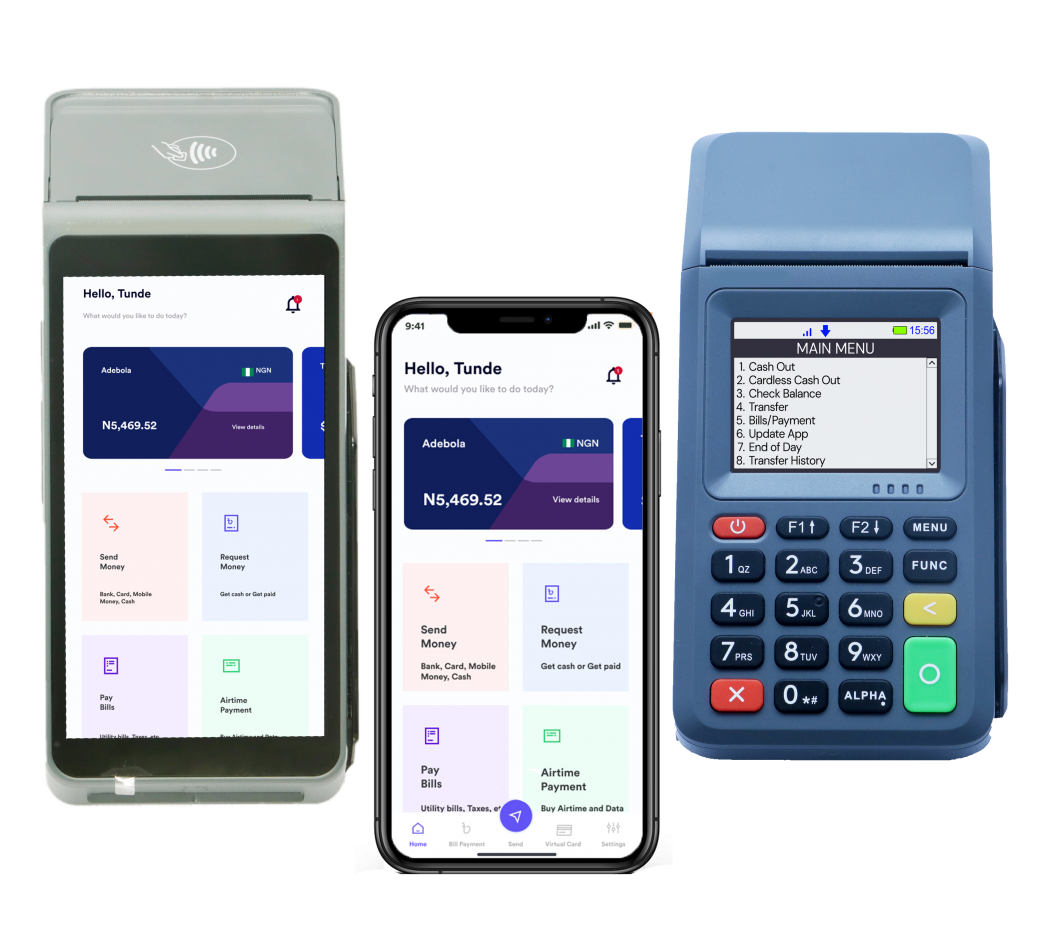
Exploring the Distinctions: White Label Payment Solutions vs. Traditional Payment Gateways

In the rapidly evolving world of online transactions, White Label Payment Solutions businesses often face the decision of choosing between white-label payment and traditional p gateways. Both options facilitate the seamless transfer of funds, but they differ significantly in various aspects. Understanding the distinctions can help you make an informed choice that suits your business needs.

Difference between White-label payment solutions and Traditional payment gateways.

  1. Ownership and Branding,: With white-label payment solutions, businesses can customize the payment gateway with their branding elements. It allows them to maintain a consistent brand image throughout the payment process, enhancing customer trust and loyalty. Traditional Payment Gateways: On the other hand. Traditional payment gateways usually display the service provider’s branding.
    .
  2. Integration and Customization, White Label Payment Solutions: These solutions offer a higher degree of integration and customization. Businesses can tailor the payment process to align with their website design. Traditional Payment Gateways: Traditional gateways provide integration options. The level of customization might be limited, potentially affecting the overall user experience.
  3. Compliance and Security, White Label Solutions: Businesses that opt for white-label solutions need to ensure compliance with relevant regulations and security standards.Traditional Payment Gateways: Traditional gateways typically handle compliance and security aspects, which can be advantageous for businesses lacking expertise in this area.
  4. Cost and Pricing Model, White Label Payment Solutions: The cost of white label solutions can vary based on the level of customization and features required. They might involve upfront development costs but can offer more cost-effective long-term solutions. Traditional Payment Gateways: These gateways often have a straightforward pricing model with transaction fees, making it easier for businesses to predict their payment processing expenses.
  5. Time-to-Market, White-Label Solutions: Implementing a white-label solution might require more development time, especially for extensive customizations. This could delay the time-to-market for businesses. Traditional Payment Gateways: Traditional gateways, with their ready-made solutions, can significantly reduce the time required for integration and implementation.
  6. Customer Support, White Label Solutions: Lastly, With white label solutions, businesses can provide dedicated customer support, ensuring prompt issue resolution and personalized assistance. Traditional Payment Gateways: Customer support for traditional gateways is typically handled by the service provider. Which might not always align perfectly with the business’s specific requirements.

Conclusion,

In conclusion, choosing between white-label payment and traditional payment gateways depends on your business’s specific needs and priorities. This offers greater customization and branding opportunities. But require more effort to set up and maintain. Also, on the other hand. Offer convenience and faster integration but might have limitations in branding and customization. Analyzing these key differences can help you make an informed decision to optimize your online payment processing experience.

Agency Banking Solution

How White-Label Agency Banking Benefits Financial Institutions

In the rapidly evolving financial landscape, reaching out to unbanked or underserved populations remains a challenge for traditional financial institutions. However, an innovative solution called white-label agency banking is helping these institutions bridge the gap. Similarly, it extends its services to previously untapped markets. In this blog post, we will explore how it empowers financial institutions to expand their reach. At the same time, how it attracts new customers and boosts revenue, all while emphasizing its significance for the industry.

How white-label agency banking empowers financial institutions to expand their reach.

  1. Understanding White-Label Agency Banking: This involves collaboration between financial institutions and third-party agents or retail outlets. Under this model, agents are authorized to offer a range of banking services on behalf of the financial institution. Expanding the institution’s reach to remote areas where setting up brick-and-mortar branches might be cost-prohibitive.
  2. Expanding Reach into Unbanked Areas: One of the primary benefits of white-label agency banking is its ability to penetrate unbanked or underbanked regions. By leveraging existing retail networks as access points, financial institutions can establish a presence in remote areas. Reaching out to individuals who have limited or no access to traditional banking services.
  3. Building Trust and Loyalty: Working with trusted local agents can help financial institutions build rapport and trust within communities where they lack a physical presence. As agents are often familiar with the local culture and language, they can effectively communicate the benefits of banking services.
  4. Cost-Effective Expansion Strategy: However, setting up and maintaining physical branches in remote areas can be a costly affair. White-label agency banking offers a cost-effective alternative, as financial institutions can leverage existing retail infrastructure and resources.
  5. Access to Valuable Customer Data: Moreover, through this, financial institutions gain access to valuable data about customer behaviors and preferences.
  6. Driving Digital Financial Inclusion: White-label agency banking not only promotes financial inclusion by providing access to basic banking services but also paves the way for digital financial inclusion.
  7. Lastly, Enhancing Revenue Streams: As this helps financial institutions attract new customers and increase transaction volumes, it naturally leads to enhanced revenue streams.

Conclusion

This has proven to be a game-changer for financial institutions looking to expand their reach and serve previously underserved communities. By leveraging existing retail networks and local agents. Institutions can break through geographical barriers, build trust, and foster financial inclusion. As the world becomes increasingly interconnected, embracing it is not only a strategic move but also a socially responsible one.

Mobile Money Agents

Important Role of Payment Processors in White-Label Payment Solutions

In the ever-evolving landscape of digital transactions, white-label payment solutions have emerged as a game-changer for businesses seeking a tailored, branded payment processing experience. Central to the success of these solutions are payment processors, playing a vital role in facilitating smooth and secure financial transactions. This article delves into the significance of payment processors in white-label payment solutions and how they contribute to the growth and profitability of businesses.

Enabling Seamless Transactions

The core function of payment processors within white-label solutions is to facilitate seamless transactions between buyers and sellers. When a customer initiates a payment, the payment processor acts as an intermediary, securely transmitting the payment details to the acquiring bank and the card networks. This ensures that funds are transferred smoothly from the customer’s account to the merchant’s account without any disruptions. As a result, businesses can provide their customers with a hassle-free payment experience, fostering trust and loyalty.

Ensuring Secure Payment Processing

Security is a paramount concern in the digital payment realm, and payment processors in white-label solutions play a pivotal role in maintaining the integrity of transactions. These processors have advanced fraud detection and encryption technologies that safeguard sensitive customer information during transmission. Similarly, by complying with the industry’s stringent security standards, payment processors instill confidence in customers to transact securely benefiting the business’s reputation.

Expanding Payment Options

Payment processors in white-label solutions offer a diverse range of payment options to cater to a broader customer base. Whether it’s credit cards, debit cards, e-wallets, or mobile payments, these processors integrate various payment methods seamlessly, accommodating customers’ preferences. By widening the array of payment choices, businesses can attract more customers, drive conversions, and enhance customer satisfaction.

Streamlining Payment Settlements

Further, efficient payment settlements are crucial for businesses to maintain a healthy cash flow. Payment processors in this solution streamline the settlement process by swiftly transferring funds from the acquiring bank to the merchant’s account. Therefore, with faster settlements, businesses can reinvest their revenue promptly, optimize inventory management, and maintain smooth operations.

Enhancing Analytics and Reporting

Payment processors offer businesses valuable insights and data analytics utilizing white-label solutions. Hence, these analytics provide in-depth information about transaction patterns, customer behaviors, and revenue trends. However, by leveraging this data, businesses can make data-driven decisions, optimize and refine their strategies, leading to increased business growth.

Conclusion

In conclusion, payment processors form the backbone of white-label payment solutions, empowering businesses with secure, reliable, and efficient transaction capabilities. These processors ensure smooth payments, diverse options, and valuable analytics for business success in the digital landscape. Additionally, by partnering with a robust payment processor, businesses can elevate their brand, attracting more customers, and new revenue streams.

Agency Banking Solution

How to know Services Offered Through a White-Label Agency Banking Platform

Firstly, in the realm of modern financial services, white-label agency banking solutions have emerged as game-changing solutions. They are very important for businesses seeking to expand their reach and provide a wider array of services to customers.

Services that can be efficiently delivered through a white-label agency banking platform;

  1. Core Banking Services: However, the foundation of white-label agency banking solutions lies in its ability to offer core banking services. These encompass basic transactions such as account opening, balance inquiries, fund transfers, and bill payments.
  2. Cash Management: Although, efficient cash management is essential for both businesses and consumers. However, a white-label agency banking solution facilitates cash deposits, withdrawals, and cash-in/cash-out transactions.
  3. Lending Products: Meanwhile, through the solutions, financial institutions can offer lending products such as personal loans, microloans, or even small business loans.
  4. Insurance Services: Moreover, insurance products, including life, health, and property insurance, can be seamlessly integrated into the platform. Thus, this creates an additional revenue stream for institutions.
  5. Mobile and Digital Wallets: White-label agency banking solutions are ideal for integrating mobile and digital wallets, allowing customers to make payments, conduct transactions, and manage their finances through their smartphones.
  6. Investment and Wealth Management: Meanwhile, financial institutions can broaden their portfolio by providing investment options and wealth management services. Therefore, customers can access mutual funds, stocks, and other investment products.
  7. Utility Bill Payments: A convenient utility bill payment service can be incorporated into the platform, enabling customers to settle their electricity, water, gas, and other bills effortlessly.
  8. International Money Transfers: White-label agency banking solutions can facilitate secure and cost-effective international money transfers. Customers can send and receive money globally without the need for third-party remittance services.
  9. Financial Education: To empower customers with financial knowledge, institutions can offer educational content through the platform. This could include articles, videos, or interactive modules to promote financial literacy among users.
  10. Agency Management: lastly, apart from offering services to end customers, the platform also allows financial institutions to efficiently manage their agency network. This includes agent onboarding, training, and performance monitoring

Conclusion

Conclusively, white-label agency banking solutions unlock a multitude of opportunities for financial institutions to provide diverse and sophisticated services under their brand. Finally, starting from core banking services to investment options, the platform empowers institutions to cater to evolving customer demands effectively.

Enhancing Customer Experience: The Impact of White-Label Agency Banking

Firstly, in today’s rapidly evolving financial landscape, agency banking advantages for customers experience has become a crucial differentiator for banks and financial institutions. As customers demand more convenience, personalization, and accessibility, traditional banking methods are giving way to innovative solutions such as white-label agency banking.

What is White-Label Agency Banking Advantages for Customers?

However, white-label agency banking involves the collaboration between a traditional financial institution and a non-banking entity to offer banking services under the brand of the non-banking partner. Essentially, it allows non-banking organizations, like retail stores or fintech companies.

Personalization and Accessibility: Agency Banking Advantages for Customers

Furthermore, One of the primary reasons why white-label agency banking enhances customer experience is the increased personalization it offers. Traditional banking can often feel impersonal, with a focus on standard procedures and limited flexibility.

Seamless Integration and Brand Consistency

Moreover, with white-label agency banking, customers experience a seamless integration of banking services into the ecosystem they are already familiar with. The services are integrated into the partner’s platform or app, ensuring a consistent and familiar user interface.

Increased Financial Inclusion

Additionally, white-label agency banking plays a significant role in promoting financial inclusion, especially in areas where traditional banking infrastructure might be limited. By utilizing the existing network of non-banking partners, banks can reach underserved or remote communities.

Enhanced Customer Support and Service

Lastly, collaborating with non-banking partners also opens up new avenues for providing exceptional customer support. These partners are often already well-versed in providing excellent customer service in their respective domains. Banks can extend the same level of customer support.

Conclusion

In conclusion, white-label agency banking is a game-changer in the banking industry, providing a win-win solution for both banks and customers. With its focus on personalization, accessibility, and brand consistency, this innovative approach enhances customer experience and sets a new standard for banking services. Lastly financial institutions can create a lasting impact.

Security in Agency Banking Transactions

White-Label Agency Banking Solutions: Exploring Market Examples

Firstly, In the rapidly evolving world of financial services, agency banking solutions have gained immense popularity for their ability to empower traditional financial institutions. Among these, white-label agency banking solutions have emerged as a favored choice.

Examples of white-label agency banking solutions currently available in the market.

1. FinTech Bank Pro by Solutions Now: Although, FinTech Bank Pro, developed by Solutions Now, is a comprehensive white-label agency banking solution that caters to the needs of both banks and credit unions. With its user-friendly interface and robust backend infrastructure.

2. Omni Bank Connect by Tech Fin Solutions: Moreover, Omni Bank Connect is a versatile white-label agency banking solution provided by Tech Fin Solutions. Designed to be fully scalable, Omni Bank Connect offers a cloud-based platform that facilitates secure and real-time transactions.

3. Money Hub Enterprise by Fin Trust Systems: However, Money Hub Enterprise is a sophisticated white-label agency banking solution offered by Fin Trust Systems. This solution stands out for its emphasis on data security and compliance. ensuring that sensitive information remains protected at all times.

4. BankEase360 by Innovate Tech Solutions :Meanwhile, BankEase360 is an all-in-one this is provided by Innovate Tech. The platform is renowned for its turnkey deployment, enabling financial institutions to launch agency banking services quickly and efficiently.

5. Global Connect Banking Suite by Financial Linkers: Lastly, Global Connect Banking Suite is a comprehensive white-label agency banking solution designed by Financial Linkers for global financial institutions. The platform offers multi-currency support, making it ideal for banks with an international presence.

Conclusion

In conclusion, the market is brimming with exemplary white-label agency banking, each offering a unique set of features and benefits. Financial institutions seeking to diversify their offerings and enhance customer experiences should carefully evaluate these examples to identify the perfect fit for their requirements or what they need.

Financial Inclusion in Developing Countries: Opportunities of Agency Banking

Financial inclusion remains a pressing issue in developing countries, with millions of people still unbanked or underbanked. In this blog post, we delve into the transformative potential of agency banking as a tool to drive financial inclusion. Then, discover how this innovative approach can bridge the gap and empower underserved communities.

Understanding Agency Banking:

Defining Agency Banking

Agency banking involves partnering with local retail agents to provide banking services beyond the traditional brick-and-mortar branches. However, these agents act as intermediaries, bringing financial services closer to the customers.

The Role of Technology:

Most importantly, technology plays a crucial role in enabling agency banking. Furthermore, mobile banking solutions and digital platforms empower agents to conduct transactions securely, even in remote areas with limited infrastructure.

The Power of Agency Banking in Driving Financial Inclusion:

  • Access to Financial Services: Agency banking extends banking services to unbanked and underbanked individuals who lack proximity to formal banking institutions. Therefore, this increased accessibility fosters financial inclusion by granting them a gateway to the financial world.
  • Empowering Underserved Communities: Similarly, by reaching remote areas and marginalized communities, agency banking empowers them with opportunities to save, invest, and build a better future.
  • Microfinance and Small Businesses: In addition, agency banking can be instrumental in supporting microfinance institutions and small businesses, enabling them to access financial tools to grow and thrive.

Overcoming Challenges and Promoting Adoption:

  • Regulatory Environment: Navigating regulatory challenges is critical. However, policymakers and financial institutions must collaborate to create an enabling environment for agency banking to flourish.
  • Agent Training and Support: Further, proper training and ongoing support are essential for retail agents to efficiently offer banking services and educate customers.
  • Security and Fraud Mitigation: Robust security measures and fraud prevention strategies ensure the safety of transactions and build trust among customers.

Success Stories of Agency Banking in Developing Countries:

  • Kenya’s M-Pesa: The M-Pesa mobile money platform in Kenya has revolutionized financial inclusion, thus, providing easy access to financial services for millions of people.
  • India’s BC Model: India’s Business Correspondent (BC) model has enabled rural and remote populations to access banking services through local agents.

Future Prospects and Sustainable Growth:

  • Scaling Up: Expanding agency banking initiatives requires collaboration between financial institutions, governments, and technology providers to scale up operations effectively.
  • Innovation and Fintech: Moreover, embracing fintech solutions and innovative technologies can further enhance the reach and impact of agency banking.

Conclusion:

Conclusively, agency banking presents a promising solution to drive financial inclusion in developing countries. However, by leveraging local agents and technology, financial institutions can break barriers and extend vital services to the underserved. Agency banking can foster inclusive and resilient economies in the developing world by overcoming challenges and nurturing a supportive ecosystem.

Agency Banking and the Important Role of Retail Agents

In the ever-evolving landscape of banking and finance, agency banking has emerged as a game-changer. This blog post delves into the significance of agency banking and sheds light on the important role retail agents play in facilitating financial inclusion and reaching unbanked populations.

What is Agency Banking?

Agency banking refers to a model where traditional financial institutions collaborate with retail agents to deliver banking services to customers. However, these agents, typically small shopkeepers or business owners, act as an extension of the bank, enabling basic financial transactions in underserved areas.

The Role of Retail Agents

Expanded Reach: Retail agents serve as a vital link between banks and remote communities. They bring financial services closer to the customers, eliminating the need for them to travel long distances to access a bank branch.

Financial Inclusion: By offering banking services in rural and underserved areas, retail agents play a pivotal role in promoting financial inclusion. They empower the unbanked and underbanked population to become part of the formal financial system.

Basic Transactions: Retail agents facilitate various transactions such as cash deposits, withdrawals, funds transfers, utility bill payments, and more. This convenience enhances the overall banking experience for customers.

Customer Education: Retail agents not only perform transactions but also educate customers about banking products and services. Thus, this empowers customers to make informed decisions and use financial tools effectively.

Key Considerations for Effective Agency Banking:

Agent Selection: Most importantly, choosing the right retail agents is crucial. Banks must conduct thorough background checks and provide adequate training to ensure agents are trustworthy and competent.

Technology Infrastructure: Similarly, a robust technology infrastructure is essential for seamless transactions and secure data management. Embracing digital tools enhances the efficiency of agency banking.

Regulatory Compliance: Adherence to local regulations and compliance standards is non-negotiable. Banks and retail agents must operate within the legal framework to maintain the integrity of agency banking.

Risk Management: Developing risk mitigation strategies is essential to safeguard against potential fraud or security breaches. Regular audits and monitoring help identify and address vulnerabilities.

Incentive Structure: Designing an attractive incentive structure for retail agents encourages them to promote banking services actively and boosts overall performance.

The Future of Agency Banking:

Furthermore, as technology advances and the demand for financial services grows, agency banking is poised to witness significant growth. Mobile banking and digital solutions will further streamline operations and enhance customer experience.

Conclusion

Conclusively, agency banking, coupled with the pivotal role of retail agents, is transforming the face of banking by driving financial inclusion and accessibility. Finally, embracing agency banking with careful considerations of agent selection, technology, compliance, risk management, and incentives can lead banks to new heights in reaching the unbanked and fostering economic growth.

Agency Banking Solution

White-Label Agency Banking: Empowering Retail Agents and Service Providers

Firstly, in the rapidly evolving world of financial services, white-label agency banking has emerged as a game-changing solution, creating new opportunities for retail agents and service providers. This innovative approach enables them to offer a wide range of banking services without the need for expensive infrastructure or licenses.

Benefits that white-label agency banking brings in the financial ecosystem.

  1. Expanded Service Portfolio:

Although they empowers retail agents and service providers to broaden their service portfolio significantly. By partnering with banks or financial institutions, they gain access to a suite of banking services, including account opening, deposits, withdrawals, funds transfer, bill payments, and more.

  1. Enhanced Revenue Streams:

However, for retail agents and service providers, white-label agency banking opens up new revenue streams. With the ability to offer banking services, they can earn commissions and transaction fees, increasing their income potential.

  1. Cost-Effective Setup:

Meanwhile,traditional banking operations require substantial investments in infrastructure, technology, and regulatory compliance. However, with white-label agency banking, retail agents and service providers can bypass these significant costs. They can leverage the existing banking infrastructure and technology of their partner institution, minimizing setup expenses and time.

  1. Increased Footfall and Customer Loyalty:

However, by offering banking services, retail agents and service providers attract a higher footfall to their establishments. Customers now have a convenient one-stop-shop for both retail products and financial services. This increased foot traffic can lead to improved customer engagement and loyalty, further boosting business growth.

  1. Access to Unbanked and Underbanked Customers:

Additionally, The white-label agency banking, plays a vital role in financial inclusion. Retail agents and service providers often operate in areas where traditional banks have limited reach. Through agency banking, they can bring essential financial services to the unbanked and underbanked population, fostering economic growth and development.

  1. Strengthened Branding Opportunities:

Finally, retail agents and service providers have the chance to create a stronger brand presence. They can customize the banking services under their own brand name, enhancing their visibility and reputation in the market. This branding opportunity helps build trust and credibility among customers.

Conclusion:

In conclusion white-label agency banking presents an array of advantages for retail agents and service providers. From broadening their service offerings and generating additional revenue to serving the unbanked population and strengthening their brand presence, finally this innovative approach has transformed the financial landscape for these crucial players.

×

Hello!

Click one of our contacts below to chat on WhatsApp

×