

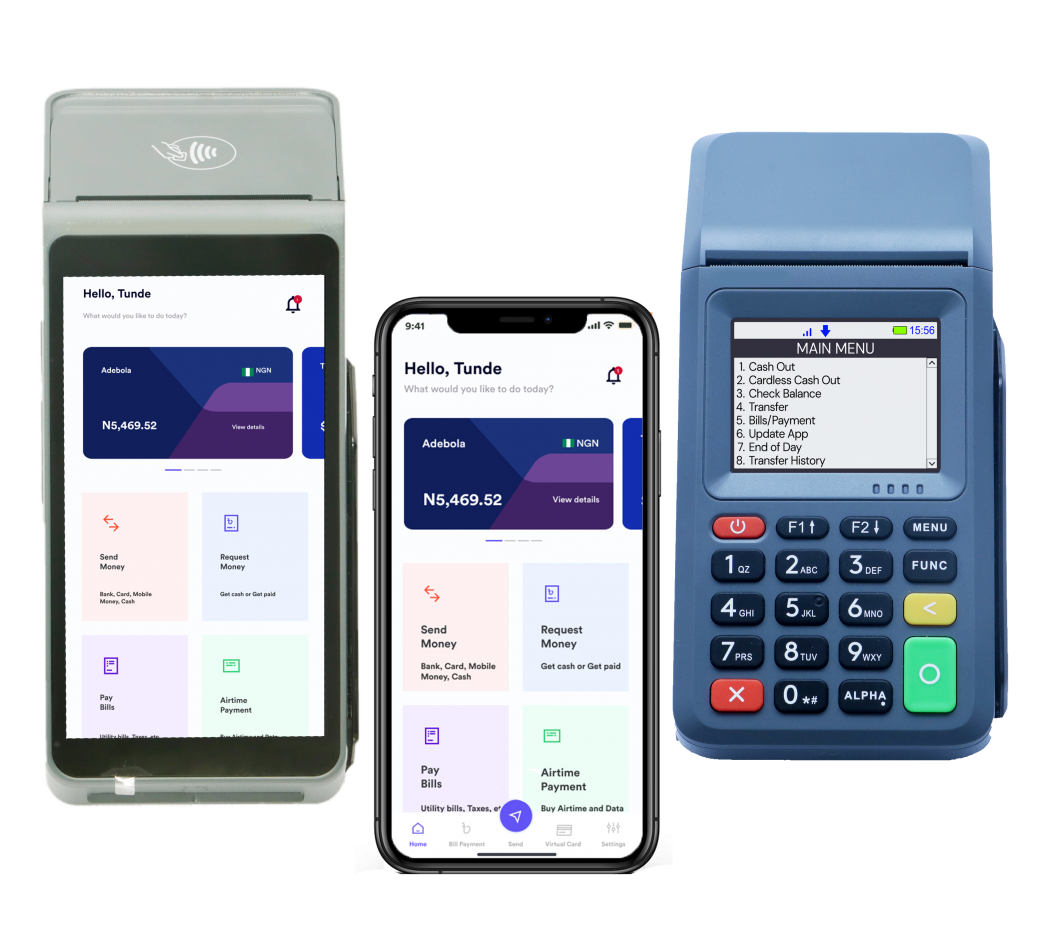
Merchant White label Solution

Merchant White label Solution

White-Label Agency Banking for Financial Institutions: The Benefits

Firstly white-label agency banking has emerged as a game-changer for financial institutions, revolutionizing the way they reach customers and deliver services. By partnering with trusted agents, financial institutions can extend their reach to previously underserved areas.

The key benefits of white-label agency banking

  1. Expanded Customer Reach: One of the primary advantages of this is the ability to expand customer reach beyond traditional brick-and-mortar branches. By leveraging a network of authorized agents, financial institutions can establish presence in remote or underbanked regions. These agents act as intermediaries, enabling customers to access banking services such as account opening, deposits, withdrawals, and fund transfers.
  2. Cost-Effectiveness: Implementing white-label agency banking offers financial institutions significant cost advantages. Compared to building and maintaining physical branches, establishing an agent network is more economical. The costs associated with infrastructure, staffing, and operational expenses are reduced, allowing institutions to allocate resources more efficiently.
  3. Enhanced Brand Visibility: White-label provides financial institutions with a unique opportunity to enhance their brand visibility in the market. By partnering with agents who act as brand ambassadors, institutions can extend their presence into local communities. The agents represent the institution’s brand and deliver services on its behalf, reinforcing the institution’s reputation and building trust among customers.
  4. Improved Customer Convenience and Satisfaction: White-label agency banking brings banking services closer to the customers, offering unparalleled convenience and accessibility. With a network of agents in various locations, customers can perform banking transactions at their convenience, often without the need for long queues or waiting times.

Conclusion

In conclusion, incorporating white-label agency banking into their operations allows financial institutions to unlock a multitude of benefits. Finally, from expanding customer reach and achieving cost efficiencies to enhancing brand visibility, This is a strategic solution that aligns with the evolving needs of the modern financial landscape. By leveraging this innovative approach, institutions can position themselves for growth.

Types of Financial Institutions Benefiting from White-Label Agency Banking: Exploring Opportunities for Growth

Types of Financial Institutions Benefiting from White-Label Agency Banking

White-label agency banking enables various financial institutions to extend services and reach underserved markets. From traditional banks to credit unions, microfinance, and non-bank institutions, we’ll explore how they benefit and drive growth through agency banking.

White-label agency banking has emerged as a transformative solution that enables various types of financial institutions to extend their services and reach underserved markets. From traditional banks to credit unions, microfinance institutions, and non-bank financial institutions, we will explore the Financial Institutions Benefiting from White-Label Agency Banking. Hence, we will explore how different financial institutions can leverage white-label agency banking to drive growth, expand their services, and tap into new market segments.

Banks

Traditional Banks

Meanwhile, established banks can benefit from white-label agency banking by leveraging a network of retail agents to reach customers in remote areas. This allows them to extend their service offerings, build brand presence, and capture new market segments.

Challenger Banks

Challenger banks can leverage white-label agency banking to rapidly expand their reach without the need for extensive branch networks. Therefore, this enables them to provide convenient banking services to customers and compete with traditional banks more effectively.

Credit Unions

Additionally, Credit unions can utilize white-label agency banking to extend their financial services to members in areas where establishing physical branches may not be feasible or cost-effective. Therefore, this approach enhances member convenience and allows credit unions to deepen their relationships with members through personalized services.

Microfinance Institutions

Furthermore, microfinance institutions (MFIs) can leverage white-label agency banking to enhance their reach and impact in underserved communities. However, by partnering with retail agents, MFIs can provide basic financial services. Examples of these include savings accounts, micro-loans, and money transfers, in a more cost-efficient and scalable manner.

Non-Bank Financial Institutions

Non-bank financial institutions, including payment service providers, fintech companies, and MMOs, can benefit from white-label agency banking. They can use it to diversify their service offerings. However, by incorporating agency banking capabilities, they can extend beyond their core services. Similarly, they can provide customers with access to banking services, driving customer loyalty and increasing revenue streams

Benefits and Considerations

  • Enhanced Reach: White-label agency banking allows financial institutions to extend their reach to underserved areas and previously unbanked populations, fostering financial inclusion.
  • Cost Efficiency: Partnering with retail agents instead of establishing physical branches reduces overhead costs, making agency banking a cost-effective expansion strategy.
  • Regulatory Compliance: Financial institutions must navigate the regulatory landscape to ensure compliance with agency banking regulations in their respective jurisdictions.
  • Branding and Customer Experience: Financial institutions must maintain consistent branding and ensure a seamless customer experience throughout the agency banking process.

Conclusion

Conclusively, White-label agency banking presents an array of opportunities for different types of financial institutions. They allow them to expand their services, reach new customers, and drive growth. Whether it’s traditional banks, credit unions, microfinance institutions, or non-bank financial institutions, leveraging white-label agency banking can be a game-changer. By partnering with retail agents, these institutions can provide convenient and accessible financial services. Similarly, they can extend their brand presence, and tap into new market segments. As financial institutions adapt to the changing landscape, embracing white-label agency banking offers a pathway to sustained growth. At the same time, it offers innovation, and increased customer satisfaction.

Agency Banking Solution

Exploring the Differences between White-Label Agency Banking and Traditional Agency Banking

Firstly, white-label agency banking and traditional agency banking are two distinct approaches to providing banking services. In this blog post, we will explore the differences between these two models, highlighting their unique features, benefits, and considerations. By understanding the disparities, you can make informed decisions about which approach aligns best with your business goals and requirements.

Features, benefits, and considerations of White-label agency banking and traditional agency banking.

Definition and Concept

White-label agency banking refers to a model where a financial institution partners with another entity, allowing them to offer banking services under its own brand. In contrast, traditional agency banking involves a financial institution appointing agents to provide banking services on their behalf.

Ownership and Branding

Additionally, it empowers the partner entity to build its own brand and market the services as its own. The partner entity maintains ownership of the customer relationship, enabling them to establish a distinct identity in the market. On the other hand, the agents operate under the branding and ownership of the financial institution they represent.

Flexibility and Customization

Moreover, white-label agency banking offers greater flexibility and customization options. The partner entity can tailor the services to meet the specific needs of its target market. They can choose the features, user interface, and branding elements to create a unique customer experience. Traditional agency banking, on the other hand, follows a standardized approach set by the financial institution, leaving limited room for customization.

Scalability and Reach

However white-label agency banking allows the partner entity to leverage their existing customer base and distribution channels. They can expand their reach by integrating banking services seamlessly into their existing products or services. Traditional agency banking relies on a network of appointed agents, which may limit the geographical reach and scalability potential.

Regulatory Considerations

Lastly, Both white-label agency banking and traditional agency banking are subject to regulatory compliance. However, white-label agency banking may involve additional compliance requirements as the partner entity takes on a more active role in managing the customer relationship. It is essential to ensure that all regulatory obligations are met to maintain a secure and compliant banking environment.

Conclusion:

In summary, they both offer distinct approaches to providing banking services. Although white-label agency banking provides greater branding freedom, customization options, and scalability potential, enabling the partner entity to establish its own identity in the market. Finally, traditional agency banking follows a standardized approach and relies on a network of agents appointed by the financial institution.

IMTO License in Nigeria: Understanding the Requirements and Benefits

IMTO License in Nigeria

The International Money Transfer Operator (IMTO) license is a crucial requirement for operating a legitimate money transfer business in Nigeria. This license ensures compliance with the regulatory framework set by the Central Bank of Nigeria (CBN) and provides a range of benefits to operators. In this blog post, we will explore the requirements and benefits of obtaining an IMTO license in Nigeria, shedding light on the licensing process, regulatory compliance, and the advantages it offers to money transfer operators.

Understanding the IMTO License in Nigeria

The IMTO license is granted by the Central Bank of Nigeria (CBN) to companies seeking to engage in cross-border money transfer services. However, it is a mandatory license for entities involved in remittances, enabling them to legally operate within the Nigerian financial ecosystem. Hence, the license ensures compliance with regulatory guidelines, and fosters transparency in the money transfer industry.

Requirements for Obtaining an IMTO License

Corporate Structure

Applicants must establish a corporate entity in Nigeria, such as a company limited by shares, with a minimum share capital requirement as specified by the CBN.

Application Process

Additionally, the application process involves submitting necessary documentation, including a detailed business plan, information about key personnel, evidence of technical capability, and proof of compliance with anti-money laundering and counter-terrorism financing measures.

Financial Requirements

However, applicants must meet the financial requirements specified by the CBN, which may include demonstrating adequate capitalization, submitting audited financial statements, and providing evidence of sufficient liquidity.

Compliance and Governance

Applicants must demonstrate their commitment to regulatory compliance, including implementing robust anti-money laundering (AML) and counter-terrorism financing (CTF) frameworks. Meanwhile, this involves having appropriate policies, procedures, and systems in place to prevent illicit financial activities.

Benefits of Obtaining an IMTO License in Nigeria

Legitimacy and Trust

Meanwhile, holding an IMTO license enhances the credibility and trustworthiness of money transfer operators in the eyes of customers, financial institutions, and regulatory authorities. Thus, it establishes the operator as a legitimate player in the money transfer industry.

Access to Financial Services Network

Furthermore, with an IMTO license, operators gain access to the formal financial services network, enabling partnerships with banks. Similarly, with other financial institutions for seamless cross-border transactions.

Expanded Market Opportunities

On the other hand, the license allows operators to tap into the large and growing remittance market in Nigeria, which represents a significant source of income for many households. Hence, this opens up new revenue streams and business opportunities.

Regulatory Compliance and Oversight

However, holding an IMTO license ensures compliance with regulatory guidelines, reducing the risk of penalties, fines, or legal issues. Therefore, it also subjects the operator to regulatory oversight, promoting transparency and accountability.

Enhanced Customer Confidence

However, an IMTO license reassures customers that their money transfers are being facilitated by a licensed and regulated entity. Hence, this will instill confidence in the security and reliability of the services provided.

Conclusion

Obtaining an IMTO license in Nigeria is a crucial step for operating a legitimate and successful money transfer business. The license ensures compliance with regulatory guidelines, enhances credibility, and provides access to a wide range of benefits. By meeting the requirements and going through the process, money transfer operators can tap into the remittance market in Nigeria. Similarly, they expand their customer base and contribute to the country’s financial ecosystem. As the regulatory landscape evolves, holding an IMTO license becomes increasingly vital for maintaining compliance. Thereby, fostering trust in the money transfer industry

MFB v Agency Banking

Digital Transformation in Agency Banking: Exploring Opportunities and Challenges

Digital transformation has revolutionized the banking industry, and agency banking is no exception. This blog post delves into the opportunities and challenges that arise from the digital transformation of agency banking. Therefore, by embracing technological advancements, financial institutions, agents, and customers can unlock new possibilities for convenience, efficiency, and financial inclusion.

Expanding Financial Access through Technology:

Digital transformation in agency banking opens doors to broader financial access. Technology-driven solutions such as mobile banking apps, agent banking platforms, and biometric identification systems allow customers to perform transactions anytime, anywhere. This increased accessibility enables individuals in remote areas and underserved communities to overcome geographical barriers and access essential financial services.

Empowering Agency Banking Agents:

Consequently, digital transformation empowers agency banking agents to serve customers more efficiently. With the aid of digital tools and training, agents can offer a wider range of services, including account opening, cash deposits and withdrawals, fund transfers, and bill payments. The automation of routine tasks enhances agent productivity, reduces errors, and allows them to focus on building customer relationships and providing personalized financial advice.

Enhancing Customer Experience and Convenience:

Technology-driven advancements elevate the customer experience in agency banking. Therefore, digital channels provide self-service options, allowing customers to conduct transactions at their convenience. Mobile banking apps and online platforms offer real-time access to account information, transaction history, and personalized financial insights. Furthermore, digital payment solutions enable seamless and secure transactions, reducing the reliance on cash-based transactions.

Strengthening Data Security and Fraud Prevention:

Additionally, digital transformation brings new challenges in terms of data security and fraud prevention. Financial institutions must invest in robust cybersecurity measures to protect sensitive customer information and prevent unauthorized access. Implementing multi-factor authentication, encryption protocols, and real-time fraud detection systems ensures the integrity and confidentiality of customer data, building trust in digital agency banking platforms.

Overcoming Infrastructure and Connectivity Challenges:

Similarly, digital transformation in agency banking heavily relies on robust technological infrastructure and reliable connectivity. Deploying adequate network coverage, expanding internet access, and investing in secure communication channels are crucial for the success of digital agency banking initiatives. Thus, collaboration between financial institutions, technology providers, and telecommunications companies plays a vital role in addressing infrastructure challenges and bridging the digital divide.

Conclusion:

Finally, digital transformation has reshaped agency banking, offering unprecedented opportunities for financial inclusion, convenience, and efficiency. Therefore, by embracing technology, financial institutions, agents, and customers can reap the benefits of a digital ecosystem. However, challenges such as data security, infrastructure limitations, and connectivity gaps must be addressed for sustainable digital agency banking. The future of agency banking lies in striking a balance between embracing innovation and addressing the evolving needs of customers and agents.

Empowering Economic Growth and Financial Inclusion In Agency Banking

Financial Inclusion in Agency Banking

In an era of digital transformation, agency banking has emerged as a powerful tool for empowering economic growth and financial inclusion. By leveraging technology and strategic partnerships, agency banking enables individuals to access basic financial services conveniently. This blog post delves into the significant role agency banking plays in fostering economic growth, empowering individuals, and bridging the gap in society.

Bridging the Financial Access Gap

With agency banking, financial institutions extend their reach beyond brick-and-mortar branches to remote areas and underserved communities. This expansion effectively bridges the financial access gap by bringing basic banking services closer to the unbanked and underbanked populations. Through a network of agents, agency banking enables individuals to open bank accounts, deposit and withdraw funds, and access other essential financial services

Empowering Micro-Entrepreneurs and Small Businesses

One of the key drivers of economic empowerment is the ability to engage in business activities and gain financial independence. Agency banking empowers micro-entrepreneurs and small businesses by providing them with access to financial tools and services. With the support of agency banking agents, these entrepreneurs can access working capital loans, and make electronic transactions. Thus, this empowerment fosters economic growth, job creation, and entrepreneurship in local communities.

Enhancing Financial Literacy and Inclusion

Most importantly, agency banking goes beyond providing access to financial services; it also plays a crucial role in enhancing financial inclusion and literacy. Through agent-assisted transactions, individuals gain knowledge about basic financial concepts, such as budgeting, savings, and managing personal finances. Consequently, this increased financial literacy empowers individuals to make informed decisions, improve their economic well-being, and contribute to the overall growth of their communities.

Strengthening the Formal Economy

Agency banking promotes the transition from informal to formal economic activities. Similarly, by bringing previously unbanked individuals into the formal banking system, it helps to establish a transparent and accountable financial ecosystem. Thus, this transition allows individuals to build credit histories, access loans, and credit facilities, and engage in secure financial transactions. However, the strengthening of the formal economy leads to increased tax revenues, improved regulation, and a more stable economic environment.

Overcoming Challenges and Ensuring Sustainability

Furthermore, while agency banking offers numerous benefits, it also faces challenges that need to be addressed for long-term sustainability. Hence, issues such as agent liquidity management, technology infrastructure, and regulatory frameworks require continuous attention. Collaborative efforts between financial institutions, regulators, and technology providers are essential to overcome these challenges and ensure the growth and sustainability of agency banking initiatives.

Conclusion

Finally, Agency banking has become a game-changer in terms of empowering economic growth and financial inclusion. By leveraging technology and innovative partnerships, agency banking extends the reach of financial services to the unbanked and underbanked populations. Thus, leads to the empowerment of individuals and drives economic growth in society. Therefore, as the world continues to embrace digital transformation, agency banking stands as a beacon of hope, creating opportunities for economic empowerment.

×

Hello!

Click one of our contacts below to chat on WhatsApp

×